

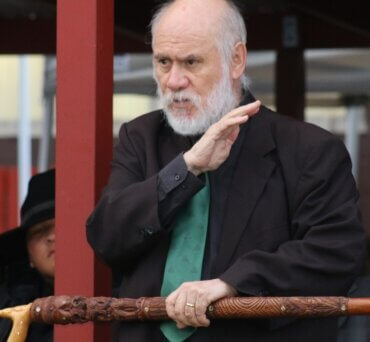
Tom Roa
Two children were in toilet cubicles at a new preschool where Māori was being taught.
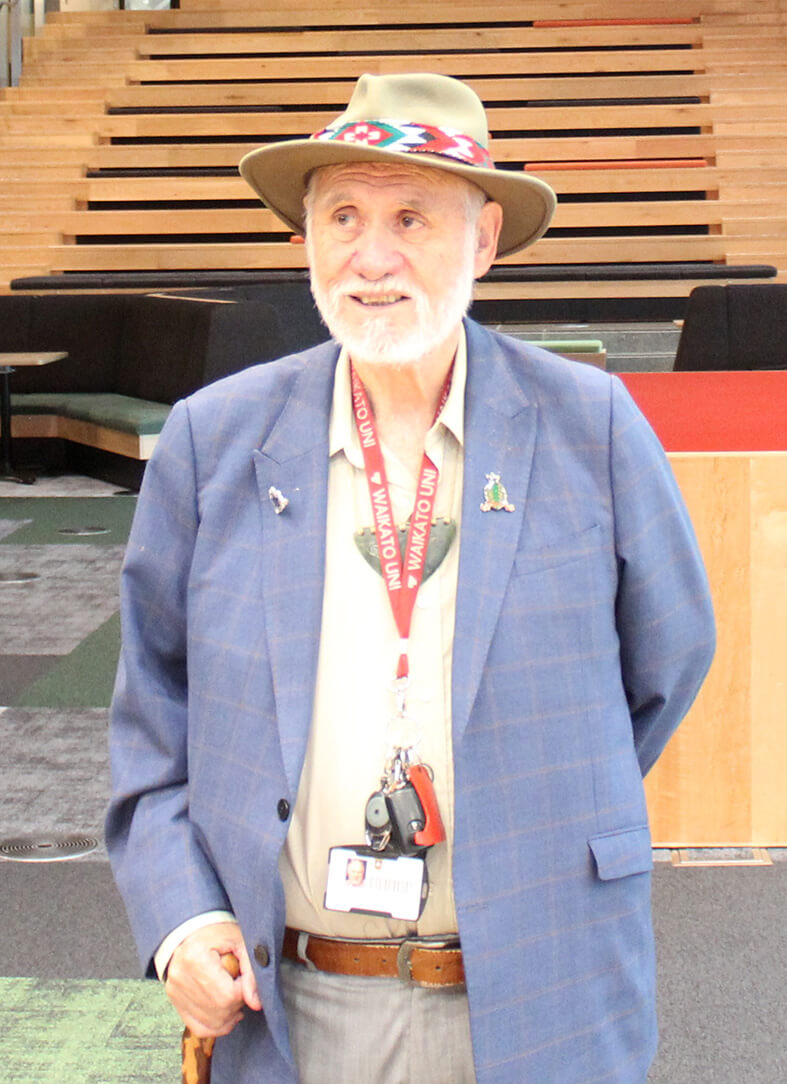
Tom Roa
One called to the other ko mutu koe? (have you finished?). The response came “ae, ko mutu koe” (yes). To which one child called out in English “Uncle Tom, where’s the toilet paper?”
It was a watershed 1980s moment for the three week old school in Otara.
“They spoke to me in English and to each other in Māori,” Tom Roa recalled.
Roll back not very much further and Roa and his wife Robyn were struck by the fact that while they spoke Maōri in the home to their two daughters they didn’t know any urban area where children under five were speaking Māori naturally.
A Tūhoe kaumatua told Roa “give up on this generation – go for the next generation – work with the under-fives”.
Following some meetings, it was decided to start a playschool where only Māori was spoken.
“We were about ready to go, then we got this word about the kohanga reo – and we immediately jumped on board and got our kohanga registered,” Roa recalled.
He says the time was right 45 years ago and people were ready to commit. His gut belief is without it, Māori would today be spoken only in small pockets of families and the language would have no hope of survival.
Instead “we have our Māori Queen and (MP) Hana Rawhiti, the products of the Kohanga Reo kura kaupapa system – Māori just drops off their tongue.”
His contribution to the revitalisation of te reo Māori and public understanding of tikanga Māori led to Roa being named a Companion of the New Zealand Order of Merit (CNZM) in the New Year’s Honours.
The honours notes acknowledge his role in the 1972 Māori Language Petition, the subsequent recognition of te reo Māori as an official language of New Zealand and the launch of Te Wiki o te reo Māori.
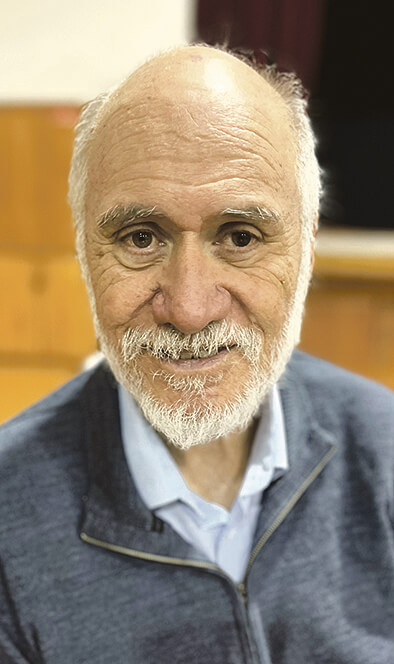
Tom Roa
Tom Roa, who celebrates his 73rd birthday on Saturday, was born the son of Hina and Kura Roa in Ōtorohanga.
He attended Ōtorohanga South School and Ōtorohanga College – and was attracted to language. He became the first of his whanau to attend university – in Wellington, to do a double major in English and Māori.
Then it was a career in teaching, marriage to Robyn and starting what became a family with four daughters.
I put it to the professor that he is forever conciliatory – and doesn’t seem to have a bad word to say about anyone. He says he was always on the fringe of protests but never in the forefront.
Which is a slight understatement.
“At the 50th celebration of the [Māori language] petition I spoke – and in the audience I saw Tame Iti and a few other and I said in Māori… ‘Tame, back then we were labelled bloody shit stirrers… today they are calling us national treasures. Go figure’!”
Was he a shit stirrer?
Yes, yes, I was a kid – I marched against the tour, but I loved rugby… we did the haka on parliament steps, painted over signs – general disruptive stuff.”
He supported Iti’s tent (the Māori Embassy on parliament grounds in 1972) – and would take him lunch. He would also take food to the protesters at Bastion Point in the late 1970s. With permission of parents, he took some students there.
“We were outside when everything was pulled down – really sad.”
Joining protests at Eden Park during the 1981 Springboks tour was banned though. Robyn did not want to see a new father arrested. But after the Eden Park test, there was a gathering of the anti-apartheid “Patu mob” who turned up for a feed at the Roa home and to share stories of their escapades.
Today, in terms of protest he sees the significant achievements of hīkoi – he was thrilled with the support of thousands of people who marched and or supported protests against the Treaty Principles Bill.
Roa, who has been at Waikato University for more than a quarter of a century – he is a professor in Te Pua Wānanga ki te Ao, The Faculty of Māori and Indigenous Studies – and regularly files opinion columns for The News, is working through translating Tolkien into te reo.
But as with continuing the growth of the language, he notes – “there’s still a lot to do”.
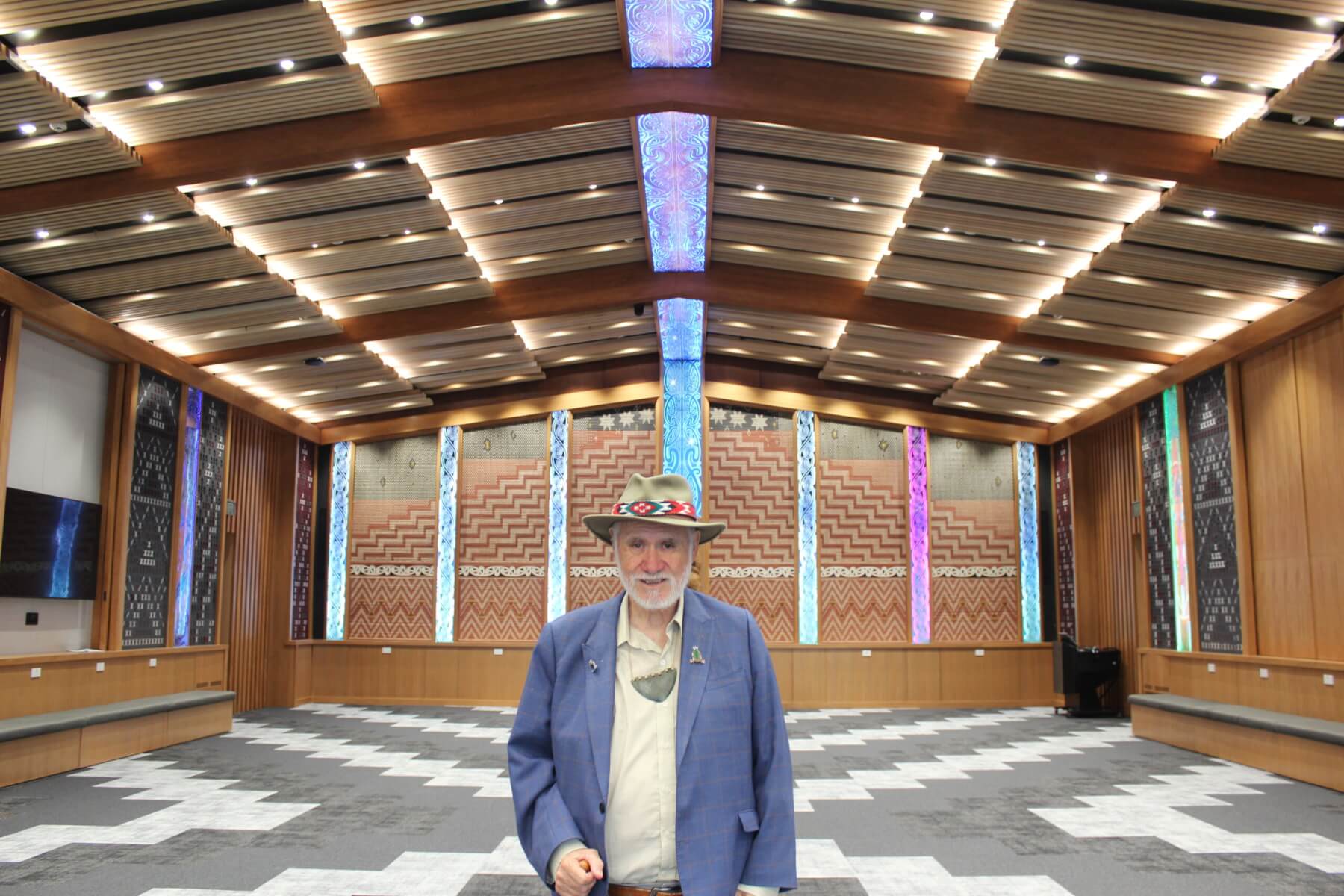
Prof Tom Roa. Photo: Roy Pilott