

Stephen Livingston
A long-standing Cambridge disability workshop, operating since 1976, is facing criticism from families who say recent management changes are unsettling vulnerable participants.
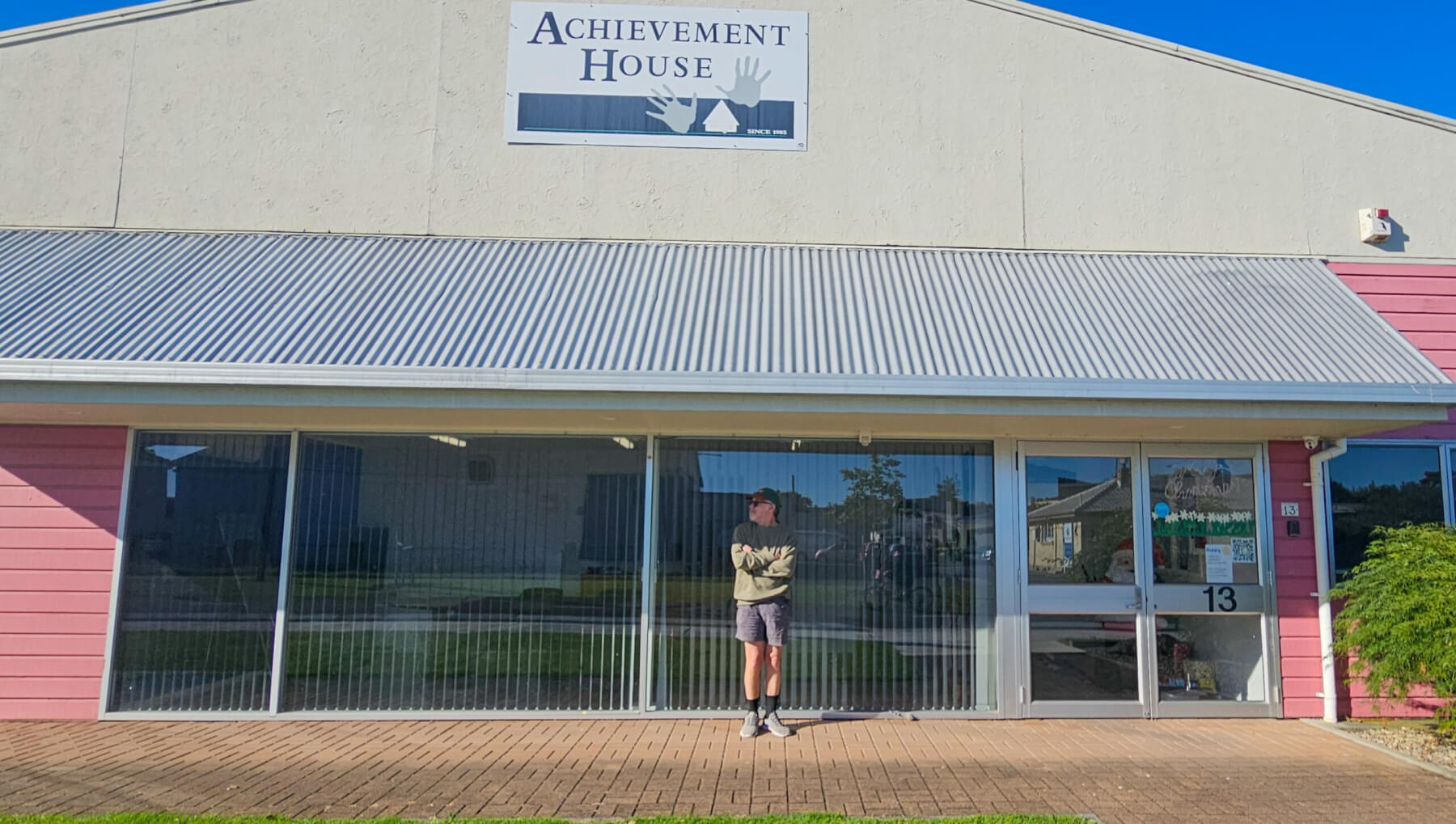
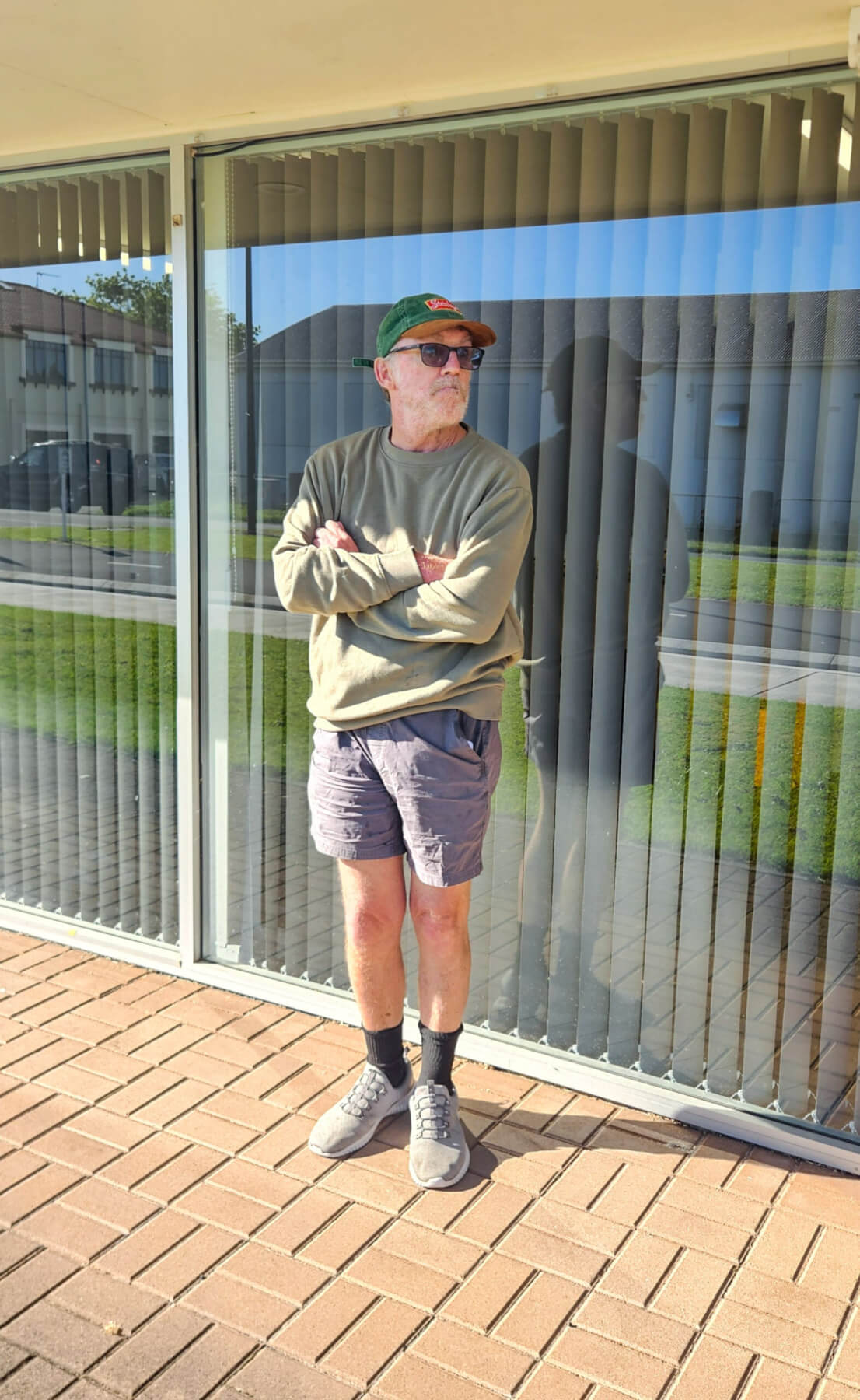
Stephen Livingston outside Achievement House.
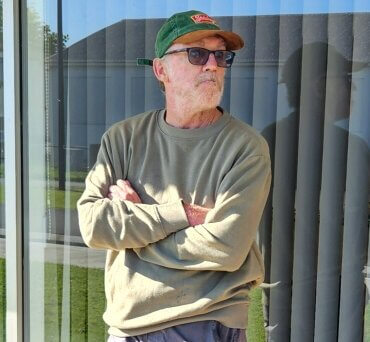
Karen Carroll, whose brother Stephen Livingston, 56, has attended Achievement House in Wilson Street since 2014, says the environment has shifted dramatically in the past two months.
Cambridge News 11 December 2025
Other families share her fears the workshop’s traditional model – structured, hands-on work for participants known as ‘The Pals’ or ‘People We Support’ – is under threat.
They worry the workshop could be dismantled in favour of “community participation” programmes.
Carroll calls the workshops “old-fashioned but vital,” saying they give people dignity, purpose, and routine.
Some families have already withdrawn participants, citing a negative environment and poor management.
Staff will hold a stop work meeting next week and march through town with supporters.
In a statement prepared by a Hamilton public relations practitioner, interim chair Jeff Small assured the community the safety, dignity and wellbeing of participants remained the organisation’s first priority.
“Achievement House is committed to being kind and tolerant, meaningful and of use, predictable, honest and competent in the way we support disabled people.”
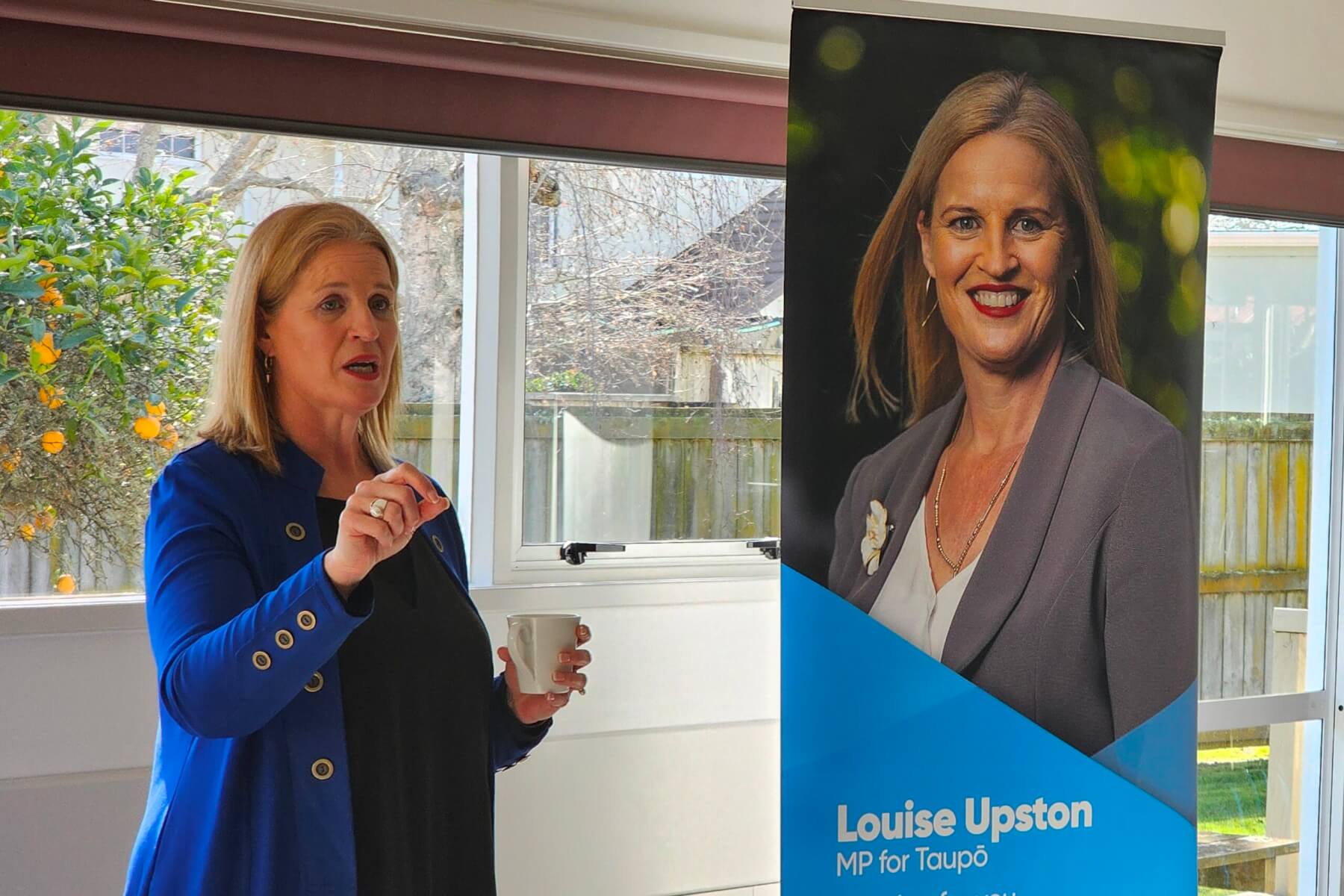
Taupō MP Louise Upston speaking at one of her packed Friendly Forums in Cambridge. Photo: Mary Anne Gill
Carroll is unconvinced. She has lodged complaints with the board and contacted Taupō MP Louise Upston and the union.
Upston, who is also the Disability Issues minister, said if people had any concerns, they should raise them with the board.
“I know many disabled people enjoy contributing to their communities through work, and the learning and social opportunities it provides,” she said.
“I also know many businesses have appreciated the quality service Achievement House has provided.”
The organisation, originally known as the Cambridge Disabled Sheltered Workshop, began in the Salvation Army Hall in 1976 and moved into its current Wilson Street building in 1985, adopting the name Achievement House.
It provides work for disabled people and services to businesses that outsource the assembly, collation, labelling and packaging of small, lightweight components.
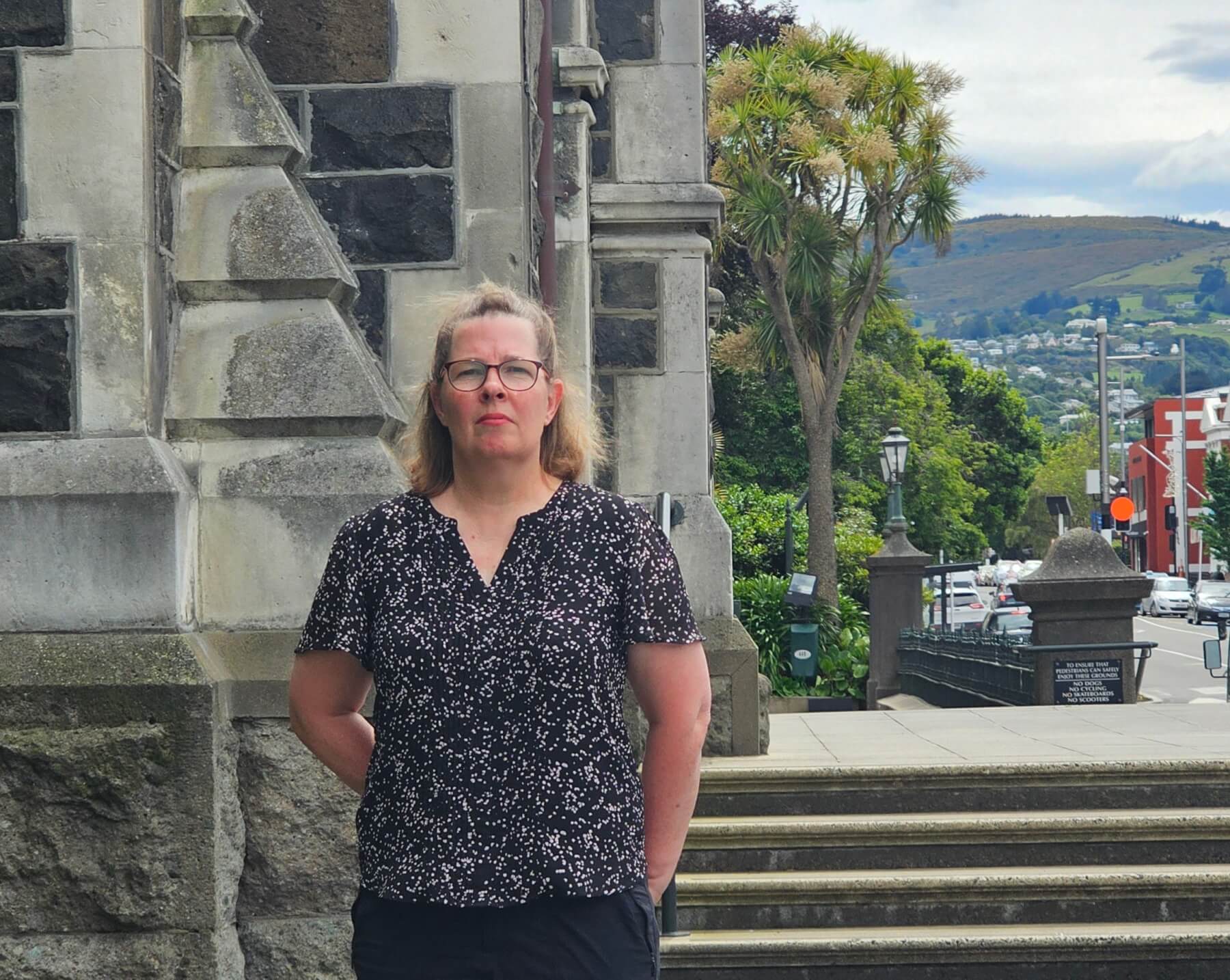
Karen Carroll outside Knox Church in Dunedin. She now lives in the Otago city. Photo: Mary Anne Gill
Income from industry supply contracts, government-funded disability support, and fundraising sustains its services – one of 11 similar disability enterprises in New Zealand.
E tū organiser Gill Butcher confirmed it was the first time since the organisation was founded that members had sought union help.
“The issues members have highlighted relate to potential breaches of privacy, lack of communication and transparency, and health and safety, particularly around unsafe staffing levels. In any workshop it can result in serious harm but are particularly concerning in a supported workshop.”
Carroll, who moved to Dunedin two years ago, told The News she was worried about her brother.
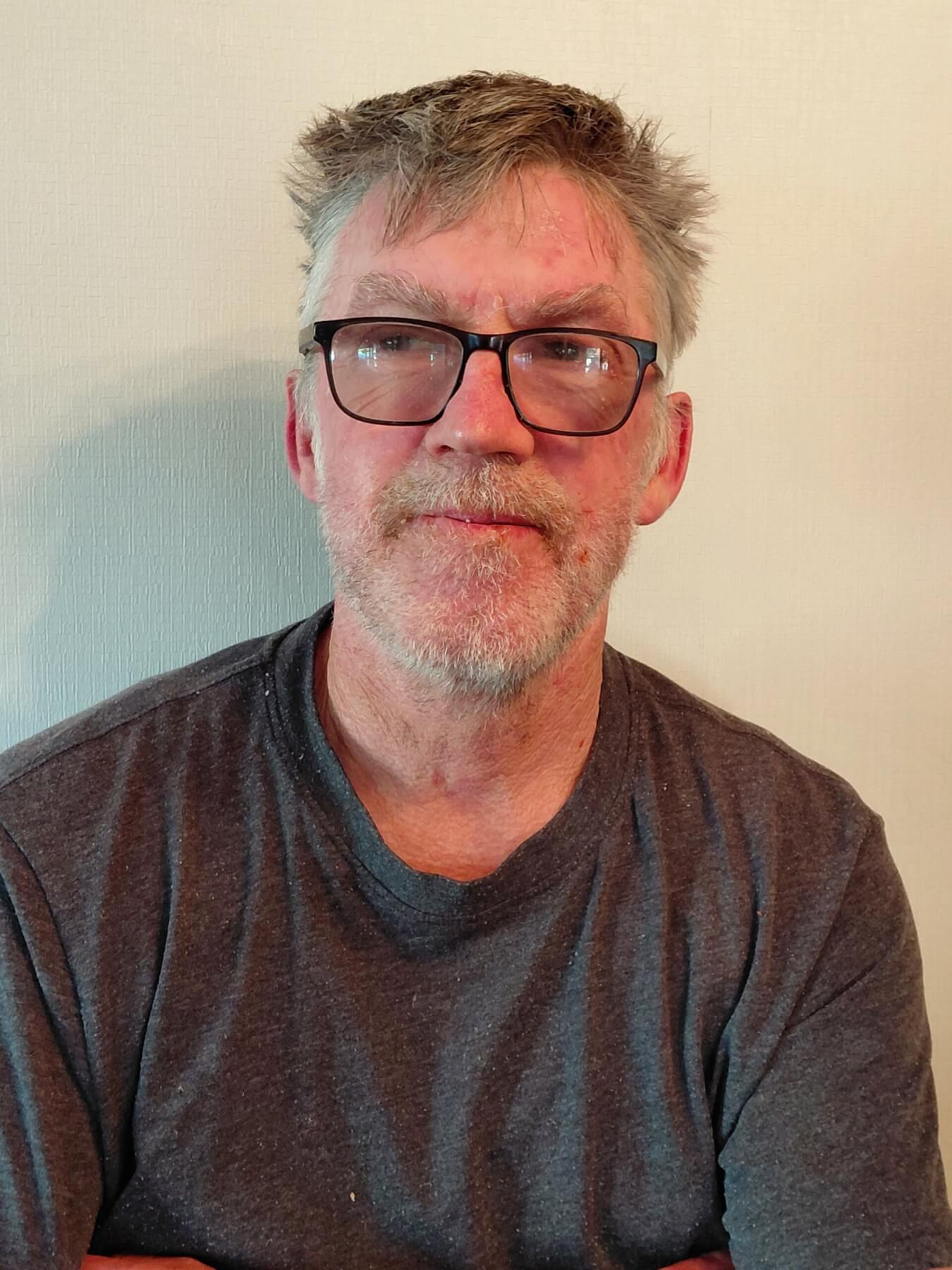
Stephen Livingston
Achievement House has been central to his wellbeing, offering stability and companionship. But Carroll says his mental health has deteriorated sharply, with signs of depression and anxiety emerging.
Established medication protocols suddenly stopped, leaving Stephen without proper support, she said.
“He ended up taking the wrong dosage, and at one point told a support worker he wanted to take all his pills. That’s how desperate he felt,” she said.
A doctor has since written a letter insisting Stephen must have assistance with his medication.
Stephen, who is autistic, lives independently in Cambridge with support hours allocated through disability services.
“This is not just about my brother. It’s about protecting vulnerable people who don’t always have family to advocate for them,” said Carroll.
“We need transparency, accountability, and above all, compassion.”
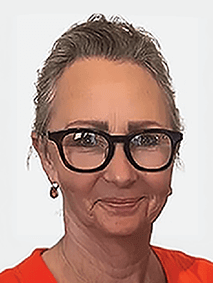
Wendy Martin
Small said the Achievement House board was finalising a new strategy which would “transform” the organisation and acknowledged the system improvements and process changes were adding to the angst and disruption among some team members.
“To implement the strategic plan, we have via a rigorous and diligent selection process engaged a new general manager, Wendy Martin, who has significant experience in the disability sector and in business. Wendy has the full support and confidence of the board to lead the changes required to improve service delivery to the community,” he said.
The process had highlighted one family member’s experience where Martin found systems and processes needed updating and the board was working to urgently put new processes in place, said Small.
Stephen Livingston