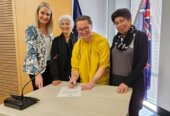


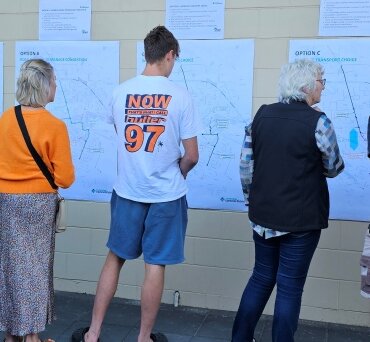
Cambridge Connections drop in meeting
A councillor who described the reset of Waipā District Council’s Cambridge Connections Transport Plan as a patch up has been reminded that he is now a “decision maker”.
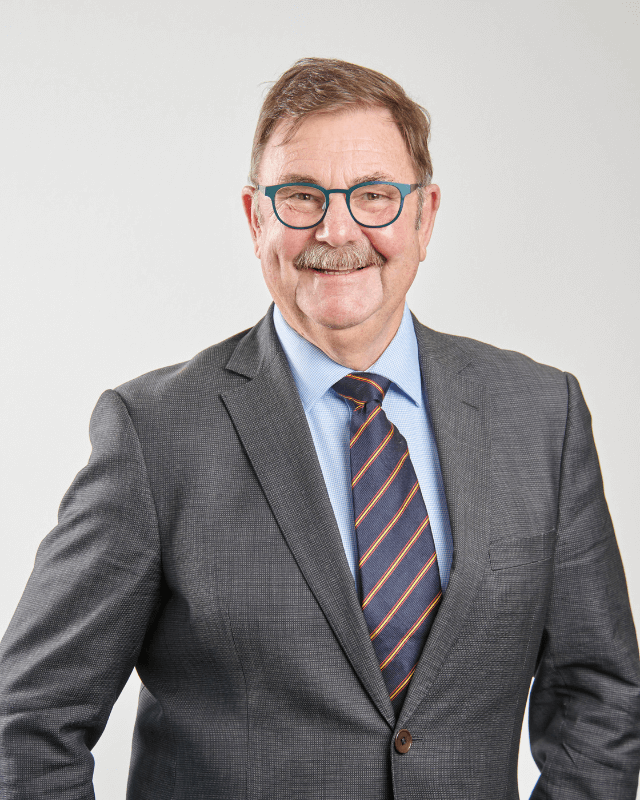
Pip Kempthorne
The council’s Strategic Planning and Policy Committee met last week to discuss three problem statements drafted following community feedback from which to inform the next phase of the project,
New Cambridge Ward councillor Pip Kempthorne drew parallels between the project before and after the reset prompted by the announcement of the blue blob at the southern end of the central business district.
“I congratulate you for taking this wider approach,” he told project manager Katie Mayes. “But it still leaves a feeling for the Cambridge community that ultimately, we’re patching up real problems that should never have existed.”
Committee chair and Maungatautari ward councillor Mike Montgomerie stopped Kempthorne.
“You’ve expressed this a few times now, and as the chair I really think it’s time we put this to bed now,” he said.
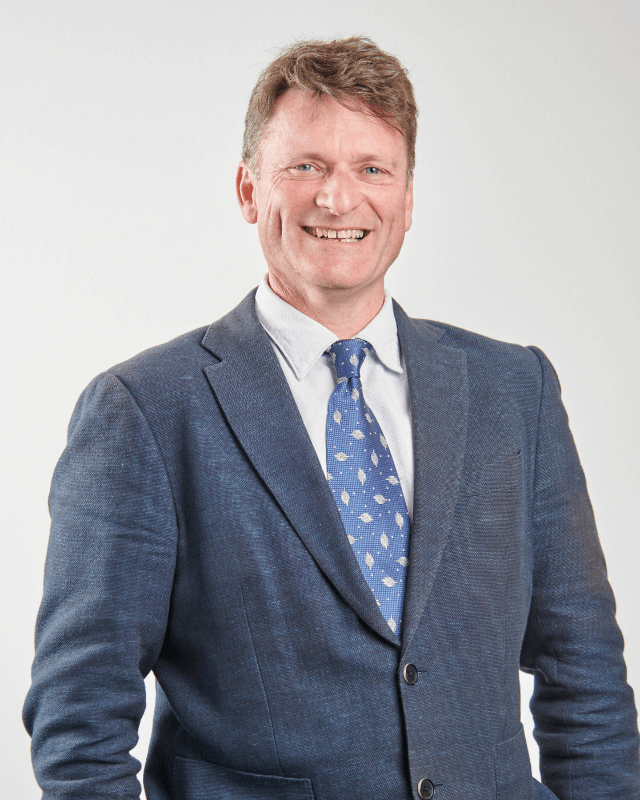
Mike Montgomerie
“The reset on this project is absolutely real, it’s significant, there’s a total change of governance and staff leading this project. Mayor Mike has asked me to lead this, and I have been very open with a commitment to transparency.”
Montgomerie told Kempthorne chief executive Steph O’Sullivan and Mayes were on board with a transparent approach.
“You are now at this table as a decision maker,” Montgomerie said.
“I would like to acknowledge your perspective on what went before, but I would like to rule a line under that because we are here now, we are the decision makers, your perspective is valid, but it is not true for the project that we are now running.”
“The line has been drawn Mike,” Kempthorne replied.
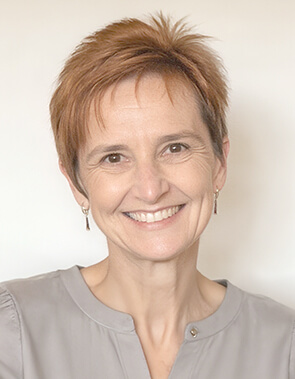
Katie Mayes
“All I am saying is that there is an overhang in the Cambridge community as a direct result of what has happened and how it happened, which makes it doubly important for us to truly recognise the voices of the people of Cambridge. Their voice was not heard for a long time and there is a lot of anger and frustration as a result of that, so we have to double our effort in order to ensure that people are truly heard.”
Montgomerie said: “You have to understand your history to learn from it and be able to advance.”
Mayes said the project implementation plan included four measures of success that would be reported on to the Risk and Assurance Committee.
“They are about rebuilding that trust, they are about transparency and engagement, and they are about project deliverables,” Mayes said.
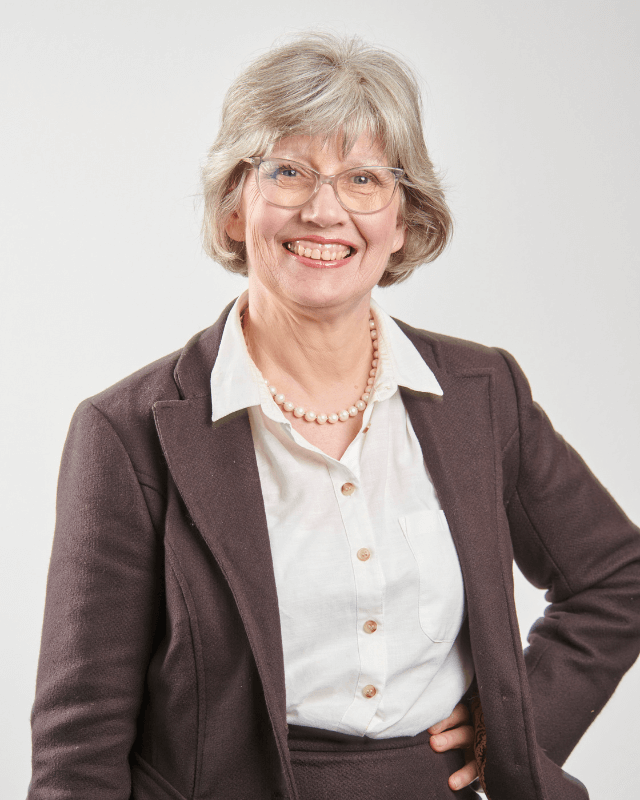
Clare St Pierre
Pirongia ward councillor Claire St Pierre asked whether the reports could come to the Strategic Planning and Policy Committee.
The second problem statement was updated to include reliance on one bridge able to carry heavy traffic as being a problem.
Mayes said the council had received 254 pieces of feedback across three questions on the project.
“The most common theme across all questions was the need for a third bridge, mentioned by around 58 percent of respondents – either directly, or using similar phrasing. It was often accompanied by words such as urgent, overdue and essential,” she said.
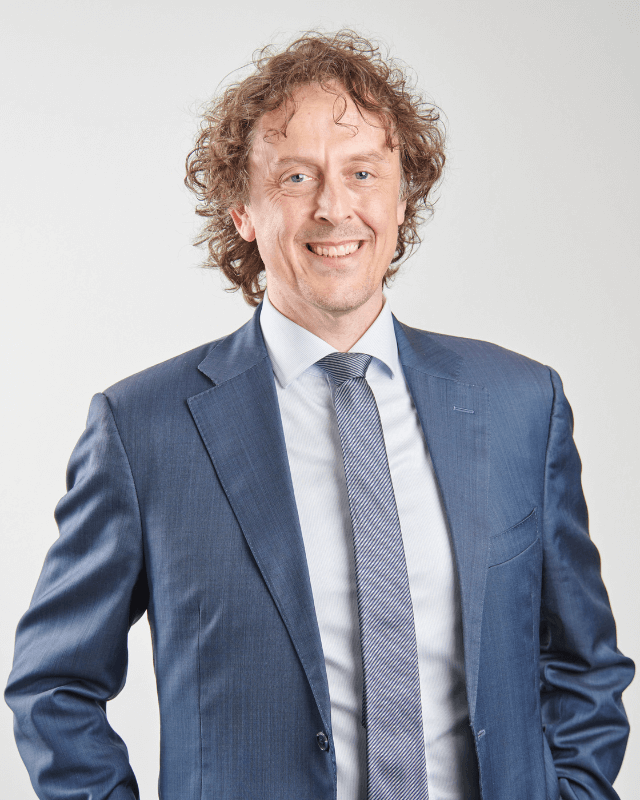
Aidhean Camson
“The third bridge was often used in the context of reducing congestion, which emerged as another key phrase, associated with ‘CBD’, ‘school times’ and bottle necks.
“Preserving the character of Cambridge was another important concern. People want Cambridge to maintain its village feel, leafy streets and people-friendly town centre.”
Cambridge ward councillor Aidhean Camson said he thought the level of feedback -110 pieces of feedback per 10,000 people – was low until he did some research. Let’s Get Wellington Moving received 36 pieces of feedback per 10,000 people and the Waikato Expressway got 40 pieces of feedback per 10,000 people.
“We have exceeded all of those,” he said.