


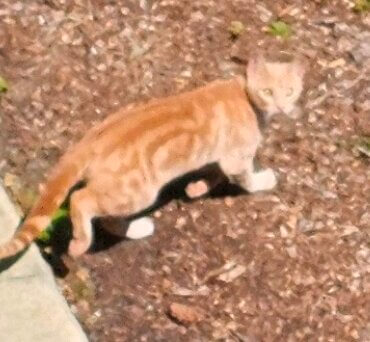
A feral cat in Cambridge
Waipā has welcomed the announcement that feral cats will be added to New Zealand’s Predator Free 2050 strategy.
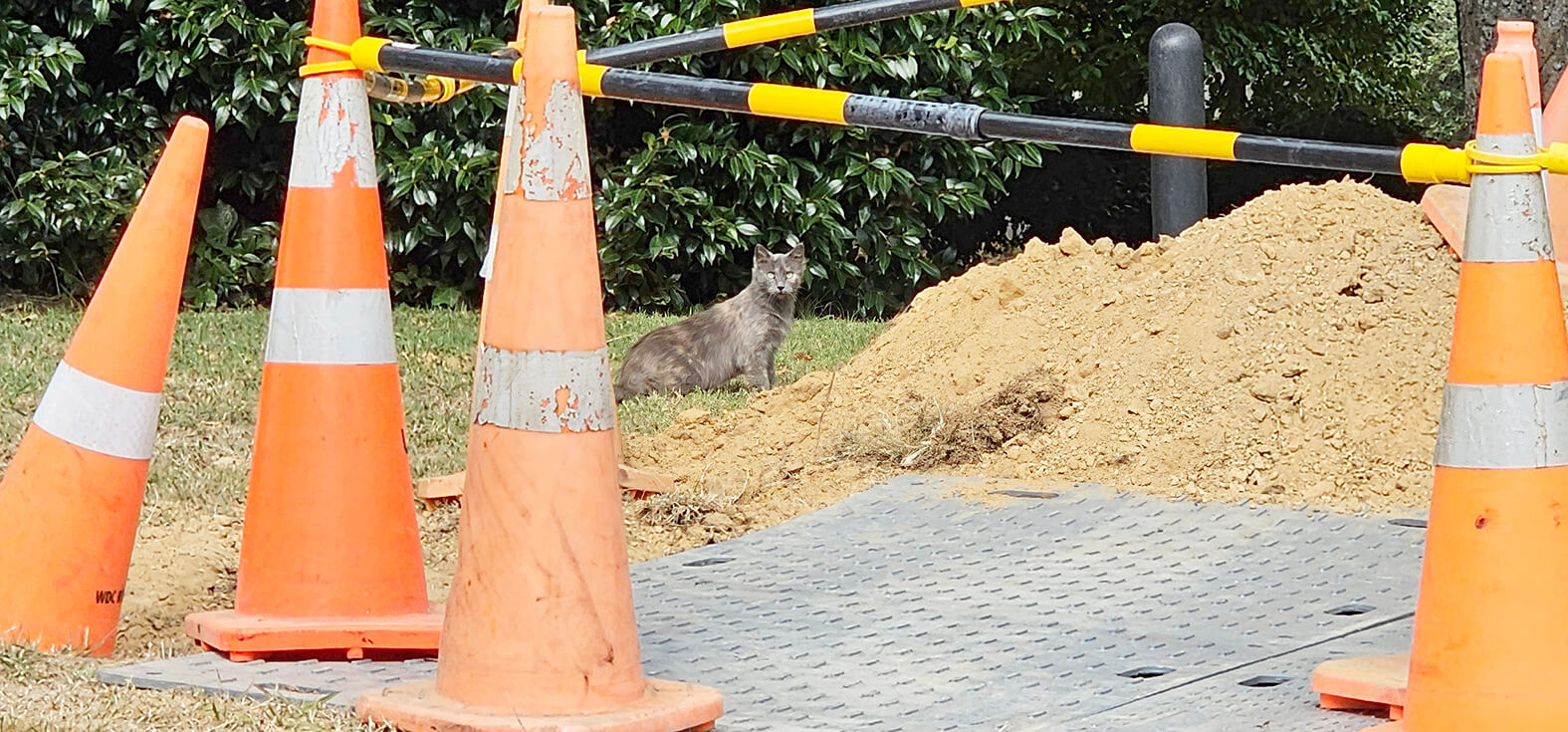
Feral cats – recently cited as an issue in Kihikihi – will be added to the predator free 2050 strategy.
Last week conservation Minister Tama Potaka confirmed feral cats will join possums, rats, stoats, weasels and ferrets on the national target species list.
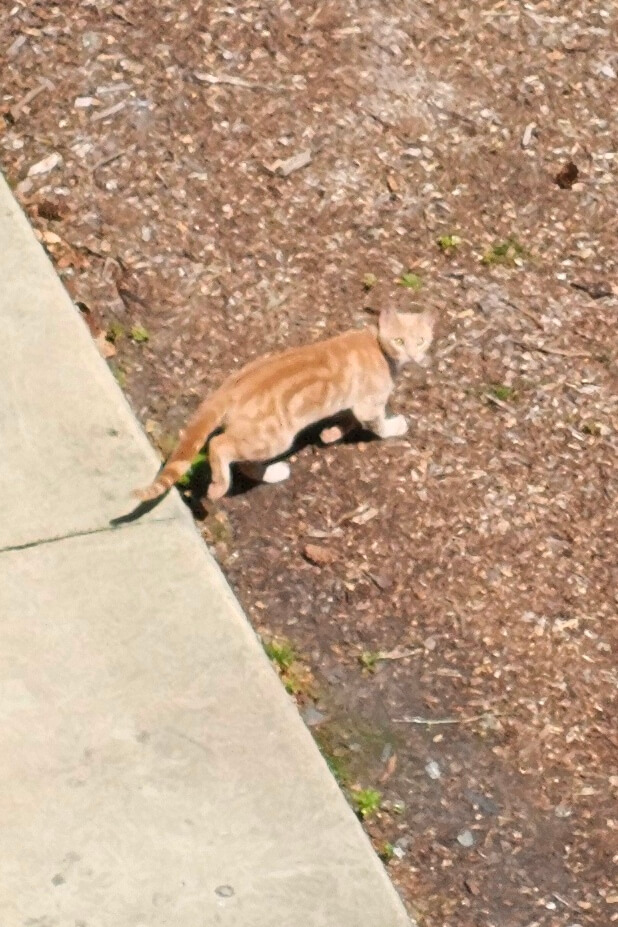
Feral cat in Cambridge
The announcement comes ahead of the Predator Free 2050 strategy review results, expected early next year.
Following strong public support and a submission from the Waipā District Council in June to the Department of Conservation – reflecting community concerns about the threats posed by feral cats – it’s a boost for native wildlife and local communities.
Feral cats prey on birds, bats, lizards, frogs, and insects such as wētā, and have contributed to the extinction of several native bird species.
District growth and regulatory services group manager Wayne Allan said the inclusion gives communities and councils stronger support to manage feral cats.
“It gives local efforts the support they need, with legal backing, guidance and funding to ensure they are coordinated and effective,” Allan said.
“Currently, there is no national law for cat management, limiting councils’ ability to respond to public concerns.”
A national framework will help clarify responsibilities, promote responsible ownership, and distinguish clearly between pet, stray, and feral cats.

Bexie Towle
Taiea te Taiao Ecological Corridor project coordinator Bexie Towle said she’s supportive of this initiative “which will help us to move towards an Aotearoa where people and nature can thrive together”.
“Communities both rurally and in our towns have struggled to find an agency that can support feral cat control,” Towle said.
“When I have received enquiries through Predator Free Te Awamutu, I have been unable to offer advice or support for landowners trying to deal with feral cats.
“I have spoken to vets and agencies both locally and nationally and often end up with ‘sorry I can’t help’, when asking for advice. We hope that we can encourage responsible pet ownership in Aotearoa.
She said with new technology and techniques for predator control, such as microchip-sensing automatic traps, there would always be ways to ensure safe pets and safe wildlife.”
Bernard Westerbaan aired his concerns to the Te Awamutu and Kihikihi Community Board earlier this year.

Kihikihi resident Bernard Westerbaan says there should be a limit on the number of cats people can have. Photo: Jesse Wood
The Kihikihi resident and “cat lover” hopes that it’s not too late for the initiative.
“I would like to see a limit of cats on a property. But you have to be registered as a breeder to have more than, say, three cats on the property,” Westerbaan said.
“We adopted a cat. We had her spayed, microchipped and everything else, and she’s doing really well.
“We caught another one, that went to another home as well. But there’s still a lot of scruffy ones floating around.
“But the other thing I don’t want is more council staff to monitor the cats. Because it’s a waste of money.”
He said the fewer feral cats would be better for the environment, but was sceptical the results would be 100 per cent, even by 2050.
“Ideally there’s a limit on the number of cats people can have. But how do you monitor that?” Westerbaan said. “If you do it by registration, I know for sure people are going to say, well, we don’t own that cat.
“They’re different than dogs and a piece of paper called a bylaw does not make much difference. People own dogs, but cats have owners.
“They come and go as they please. They go everywhere.”
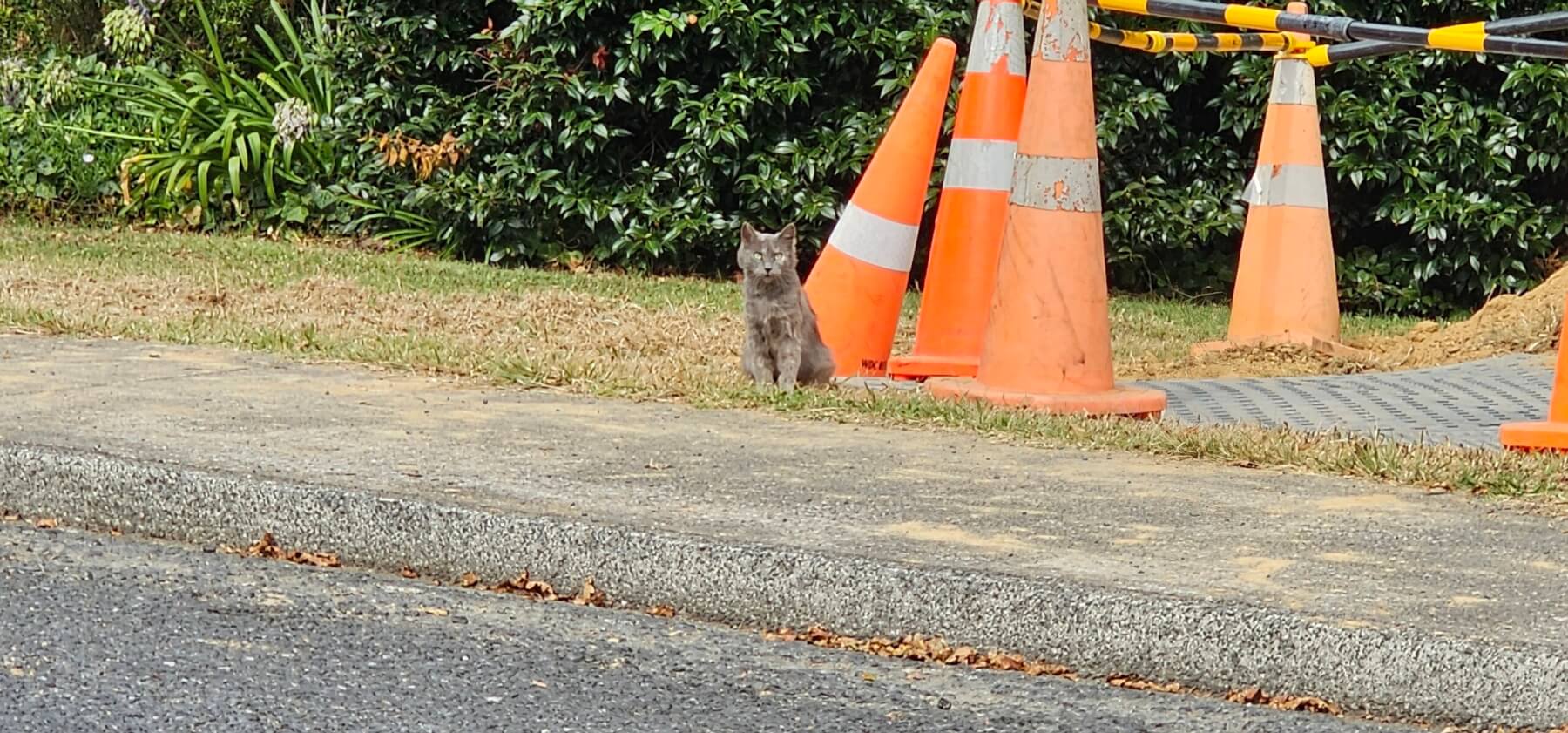
Feral cats – recently cited as an issue in Kihikihi – will be added to the predator free 2050 strategy.
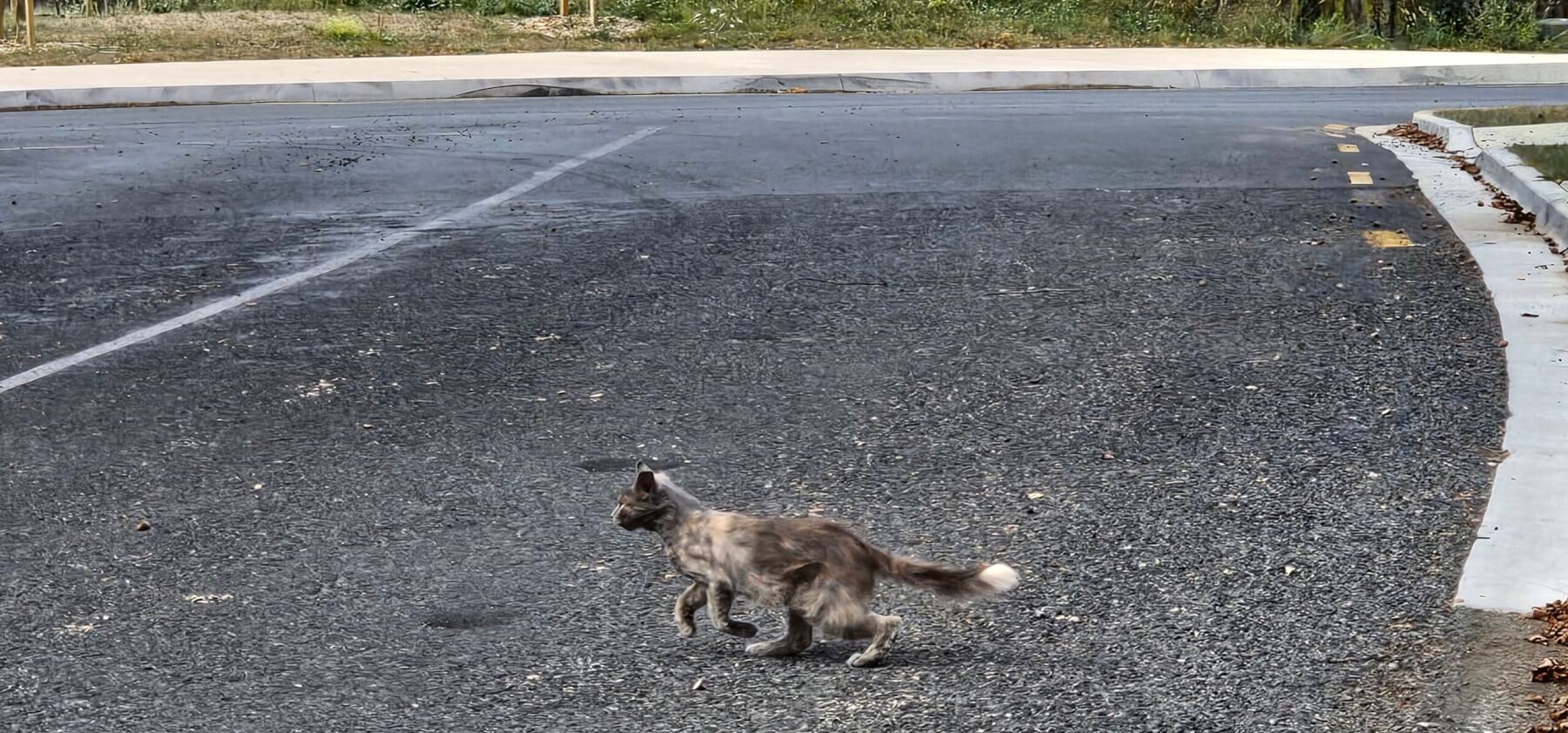
Feral cats will be added to New Zealand’s Predator Free 2050 strategy.