


Fatigue: a killer on the road
Coroner Rachael Schmidt-McCleave has issued a warning to motorists ahead of the festive season about driver fatigue.
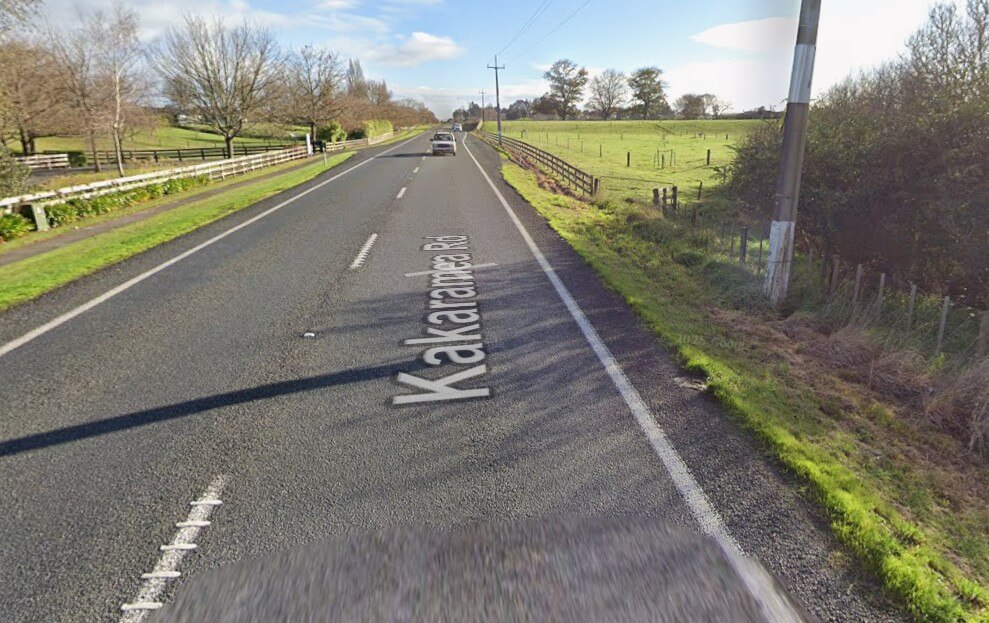
Scania Te Whare had been driving home along SH39 at the time of the crash. Photo: Google Maps.
Scania Rangi Te Whare of Te Kūiti died from injuries suffered in a crash at Ngāhinapōuri in November 2022.
“I consider that, on the balance of probabilities, this death could have been prevented had Mr Te Whare not driven while in a likely fatigued state,” she said.
Te Whare, who had a learner’s licence, worked in Hamilton and had completed 10-hour shift.
“He commuted from Te Kūiti, about an hour and a half commute, but sometimes would sleep in his car or at a friend’s house rather than driving home. Mr Te Whare had been putting in a large amount of overtime in the weeks before his death,” the corner reported.
“On the night of October 31, 2022, Mr Te Whare worked a night shift and left to drive home to Te Kūiti.”
At 7.37am the car he was driving along Kakaramea Road, State Highway 39, crossed the centre line and collided with a school bus. The 27-year-old father of two suffered “non-survivable” impact injuries.
Schmidt-McCleave said the Serious Crash Unit recommended education continue regarding the risks of driving fatigued and she found “on the balance of probabilities”, the cause of the crash was Te Whare crossing the centre line in his vehicle, likely due to being in a fatigued state after working a 10-hour shift.
‘A driver can be fatigued enough for it to impair driving long before the driver ‘nods off’ at the wheel.’ – Rachael Schmidt-McCleave
“I recommend that the New Zealand public remember and heed the advice of the New Zealand Transport Agency with respect to driver fatigue.
“The NZTA advises that fatigue does not just mean falling asleep at the wheel. That is an extreme form of fatigue. Fatigue can also mean tiredness, weariness or exhaustion and a driver can be fatigued enough for it to impair driving long before the driver “nods off” at the wheel.
“As a driver, fatigue can cause several problems, including reducing attentiveness and alertness to dangers, slowing reaction time and decision-making ability, poor lane tracking and maintenance of speed, and decreasing tolerance for other road users.”

Driver fatigue. Photo: Sinitta Leunen, pexels.com
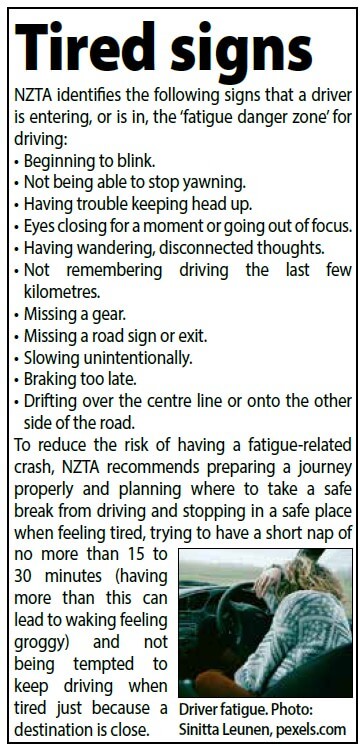
The signs of fatigue
She said being tired could cause a driver to drift in and out of sleep without knowing it – a “microsleep”. Those naps could last between three and five seconds and were the main cause of fatigue-related crashes where the driver ran off the road.
Shift workers were a recognised category of drivers who were more likely to suffer from driver fatigue because they were more likely to have disrupted sleep patterns.
She said the measures recommended by NZTA to counter tiredness should not be relied upon on a regular basis.
“Changes to lifestyle should be considered to enable drivers to get the sleep they need. Measures such as drinking caffeine, getting out of the vehicle to stretch legs, opening the window or turning up the radio volume do not work and will refresh a driver only for a short while. Once fatigue has set in, no amount of willpower will keep a driver awake.
“The only answer is sleep and the driver should stop for a short nap or seek assistance to get home.”

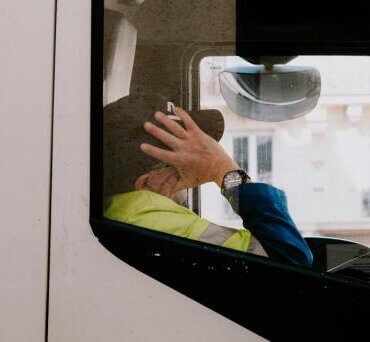
A truck driver resting. Photo: Mathias Reding, pexels.com