

Janine Krippner
Aotearoa has not experienced a catastrophe.
Janine Krippner
Cyclone Gabrielle and the Christchurch and Kaikōura earthquakes were disasters that impacted many lives, but they were not catastrophes.
A catastrophe is much worse – on the staggering scale of the Boxing Day tsunami, an event so severe that any country would be overwhelmed and need international assistance.
When such events strike, it is vital that we, as communities, help ourselves in the aftermath, as the most urgent situations are prioritised. It is difficult to foresee the extent of the devastation, and it will undoubtedly change us as a country.
That’s the bad news.
The good news is that there is much we can do to make us more resilient, and people are working on understanding the practical steps we can take. We are not powerless.
Nema (our National Emergency Management Agency) has been developing a plan and recently released their ‘Catastrophic Event Handbook’ for responders and agencies with responsibilities and actions to take in such an event.
I spoke with Nema senior advisor Todd Miller about catastrophes after attending a seminar he led last week.
There is a chance of something big happening here that would have significant impacts across the motu.
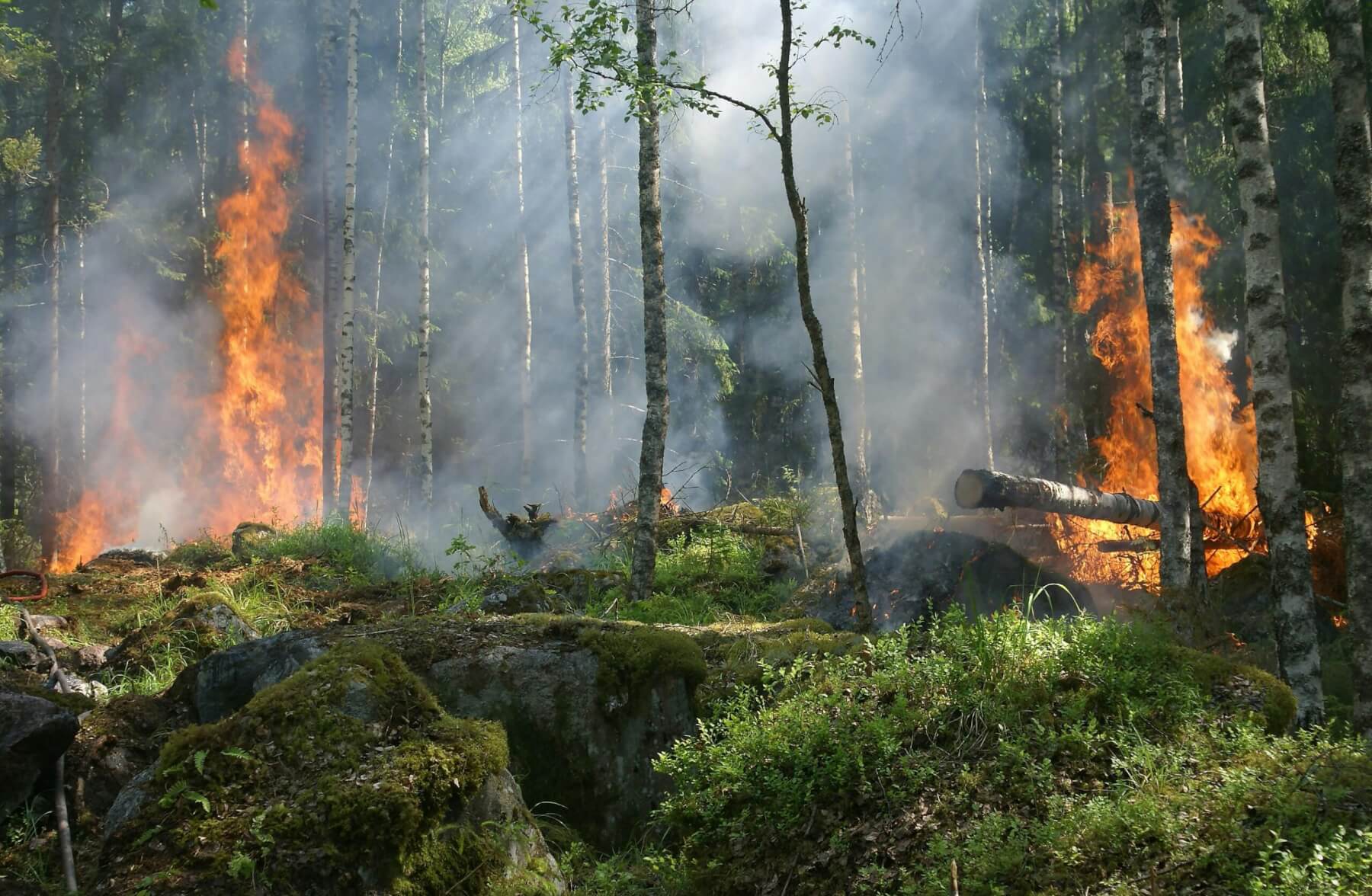
Forest on Fire. Photo: Pixabay, pexels.com
A catastrophic event requires action from all of us, and we can do this. After the seminar, I had a conversation with my flatmate about the resources we have and what we might need if we lose power. We discussed the tools we have to boil water, our first aid kits, food stocks, and what to do if we are separated across the river. Simple conversations like this ensure that we won’t have to figure everything out in the moment, allowing us to focus on whatever else arises.
The handbook is an important part of ongoing work aiming to minimise the consequences of such events, both in the short and long term. This includes streamlining logistics (how we move people, animals, and essential items), coordinating incoming international assistance, and identifying the people and organisations who can help. The goal is to support communities — to support us.
The objective is to preserve life and prevent the situation from escalating into an even bigger emergency or humanitarian crisis — a goal that is also relevant for smaller events.
“This collective effort is not only strengthening our resilience but also ensuring that we are better equipped to face any challenges that come our way,” Todd says.
It is crucial for us to recognise that there are actions we can take now, from individuals and families all the way up to the government. As Todd puts it, “together, we are building a robust and responsive emergency management framework that will safeguard our communities and secure our future”.
I am grateful that people are working to tackle these enormous challenges and bring together those who will act when we need it most. These situations require rapid decision-making, which can make the difference between life and death. Having those decision-makers well-connected and with a plan helps all of us.