


The brain: Photo: Meo, pexels.com
A friend who is a respected neurologist specialises in understanding the brain and its functions – especially as it relates to strokes. Often we’ve discussed the human brain’s wonders and its mysteries, including the question of where human consciousness originates. Is it ‘with the brain, or does consciousness exist without the brain?’ These are issues long postulated by medical scientists.

Murray Smith
Attempting to understand what is meant by ‘consciousness’ isn’t straightforward. Explanations vary but it’s generally described as ‘awareness of yourself and the world around you’, or ‘having perceptions, thoughts and feelings.’ One medical writer expressed it as ‘the subjective experience of being aware; to have a sense of self.’
A contributor for the publication Scientific American described how over a quarter of a century ago, he and an academic colleague decided to set aside philosophical discussions on consciousness and instead identify its ‘physical footprints’. The fact that scholars since at least the time of Aristotle had engaged with this subject philosophically provoked their determination to show that specific parts of the brain give rise to consciousness. Their efforts to narrow down the ‘seat of consciousness’ were predictably inconclusive. The origins of consciousness continue to challenge medical explanation.
How might it be accounted for? ‘Unconscious’ people in apparent brain dead vegetative states have woken in some cases years later, able to finely detail such things as clinical discussions, family happenings, all ‘gathered’ from bedside conversations. Their consciousness remained intact in spite of being evaluated brain dead.
Today with abounding credible evidence of ‘near death experiences,’ or NDE’s, it is widely accepted that consciousness does not accompany a body to the grave – but where does it go?
A Dutch cardiologist, Dr Pim van Lommel has reported studies in The Lancet medical journal stating 29 percent of his patients with NDE’s (presenting as having died, then revived ), reported later that their consciousness ‘journeyed into alternative dimensions, returning with vivid experiences’. Lommel also describes a 44-year-old man having a cardiac arrest and falling into a coma. During resuscitation, a nurse removed his dentures and put them in a drawer. The medical team restarted the man’s heart hours later but a week passed before the patient regained consciousness. To the team’s astonishment he identified the nurse who’d removed his dentures, accurately recalling her putting them into the sliding drawer of a medical cart.
Since nothing substantiates that one’s consciousness originates in physical organs of the body, be it brain, heart or kidney, is there another explanation?
I believe the answer is deeper than many realise, existing in the fact that human beings are much more than flesh and blood. Our bodies will someday die but consciousness remains apart from anything physical about our make-up. We are body, soul, and spirit and it is in our spiritual dimension that consciousness eternally exists.
The fact that we are essentially a spiritual being having an earthly experience in our temporary ‘earth suit’ carries implications that warrant careful consideration. The Bible frequently mentions an eternal destiny awaiting everyone – it describes existence beyond the grave and a personal choice to make which determines our destination. Believing Jesus’ words, “I’m going to prepare a place for you,” I’ve chosen heaven.
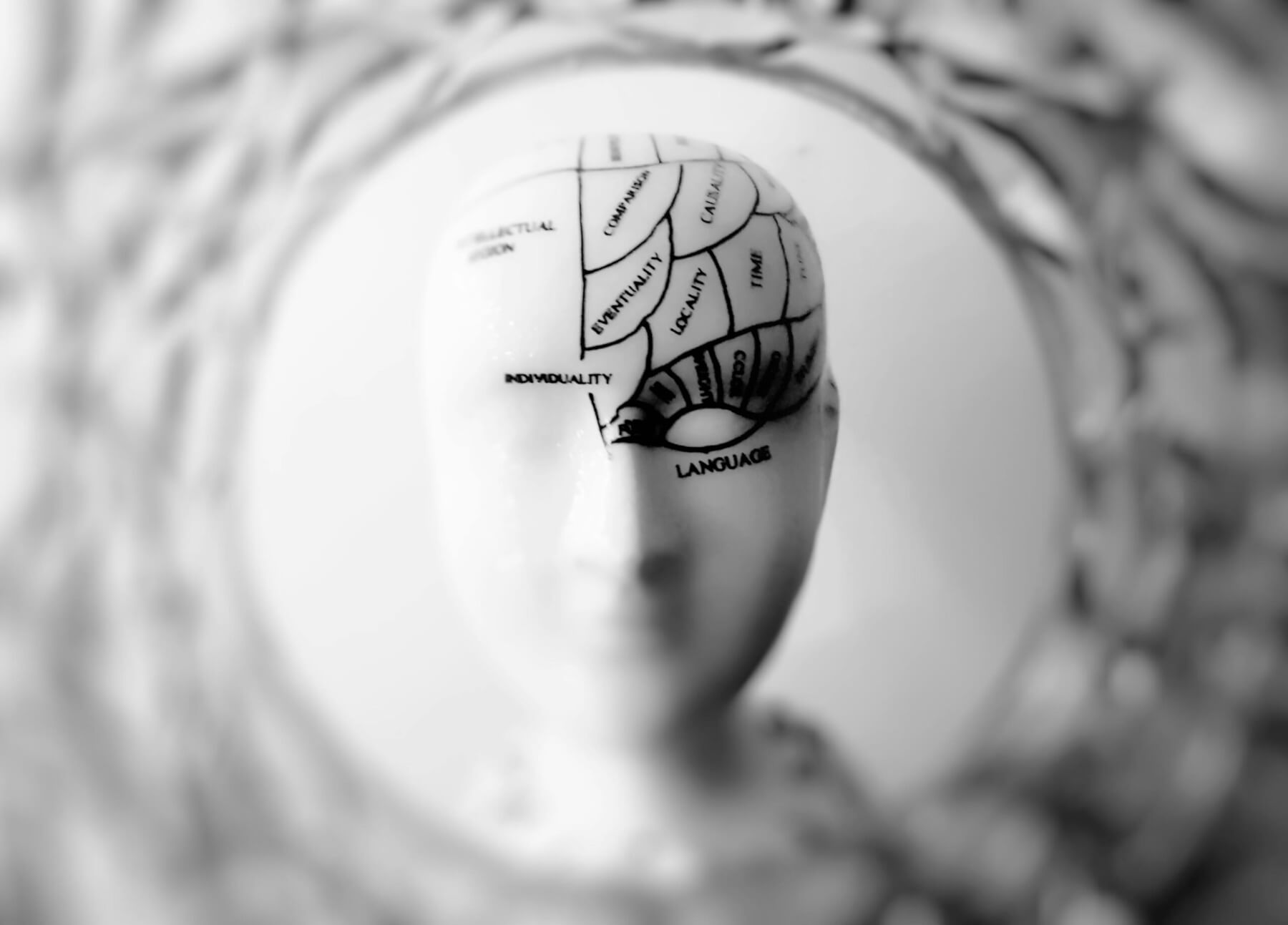
The brain. Photo: Meo, pexels.com