

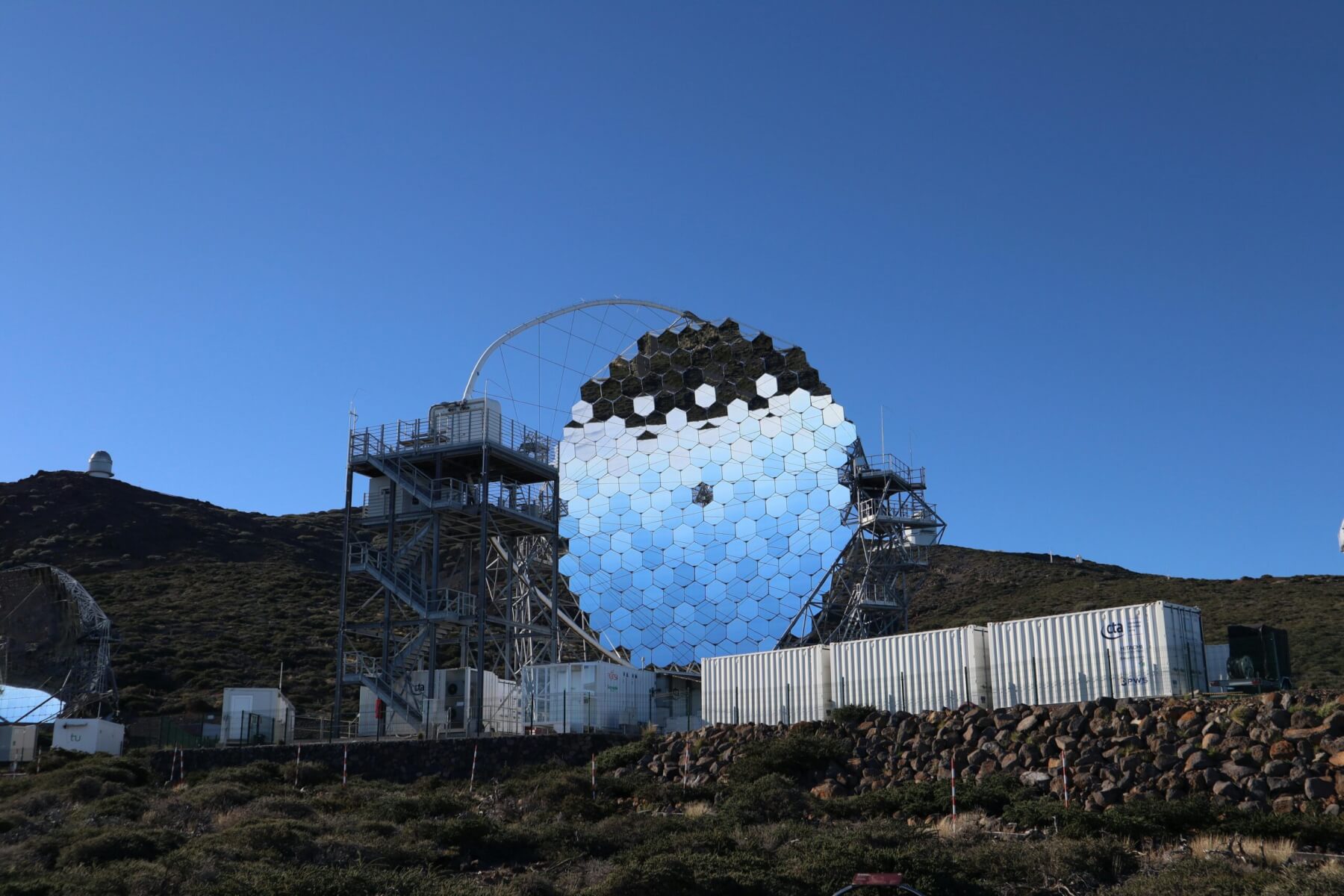
I am about 18,000 km way from home alongside a lava flow that destroyed communities in 2021.
Janine Krippner
Here in La Palma, in the Canary Islands off the coast of northern Africa, I am hearing very human and relatable stories about the struggles experienced before, during, and after the eruption.
I spoke with a resident originally from Germany who has lived here for 25 years.
Through her work she got a lot of questions about the volcanic nature of the island from visitors, so prior to the eruption her awareness was fairly high.
Rocky Coastline in Las Palma. Photo: Ronny Siegel, pexels.com
When the ground started shaking, and wouldn’t stop shaking, it didn’t take her long to decide to leave her home on her own accord. Her house was overrun by lava. So many others waited to get an evacuation order, some others left when they saw neighbours running. Why did she choose to leave on her own? I have heard a similar story from a couple who also chose to leave and not wait. What makes these people different?
The first resident had a good baseline understanding of the nature of volcanic activity here and she was watching the website of the local monitoring agency, seeing the earthquake reports roll in like we do with GeoNet. She also avoided the conflicting information being shared by media and through local social networks. The second couple had backgrounds in science and were also watching the monitoring data shared online. Additionally, they understood the uncertainty that comes with monitoring data (like the depth of an earthquake is an approximation). They did not wait while their neighbours were standing outside, avoiding indoors because of the intense seismic activity associated with the magma moving towards the surface. Their home was thankfully not hit by lava but it was damaged during the eruption.These people had enough information to empower them to make their own choices for their safety. It is amazing how powerful information can be if we put it into action when the time comes. The “if it’s long or strong, get gone” tsunami messaging in New Zealand is a great example of this. If you’re by the coast and feel an earthquake that is strong or lasts a while, move up hill. Do not wait for someone to tell you what to do. You don’t need a PhD in tsunamis to put this simple information into life-saving action.
With the La Palma eruption we are collecting information on what people felt, heard, saw, and experienced leading up to the eruption that we can pass on to our communities for this reason. Prior to the eruption here, this information was not passed on to the right people. It wasn’t interpreted to mean magma was rising to the surface, right towards them. As within our Auckland Volcanic Field, in La Palma you don’t know where the next vent will open up.
I deeply love looking at volcanoes and trying to figure them out. I equally love hearing the human side of eruptions, even the very painful parts that make your chest ache, so that we can add these pieces together to truly make a difference for those who will experience eruptions in the future.
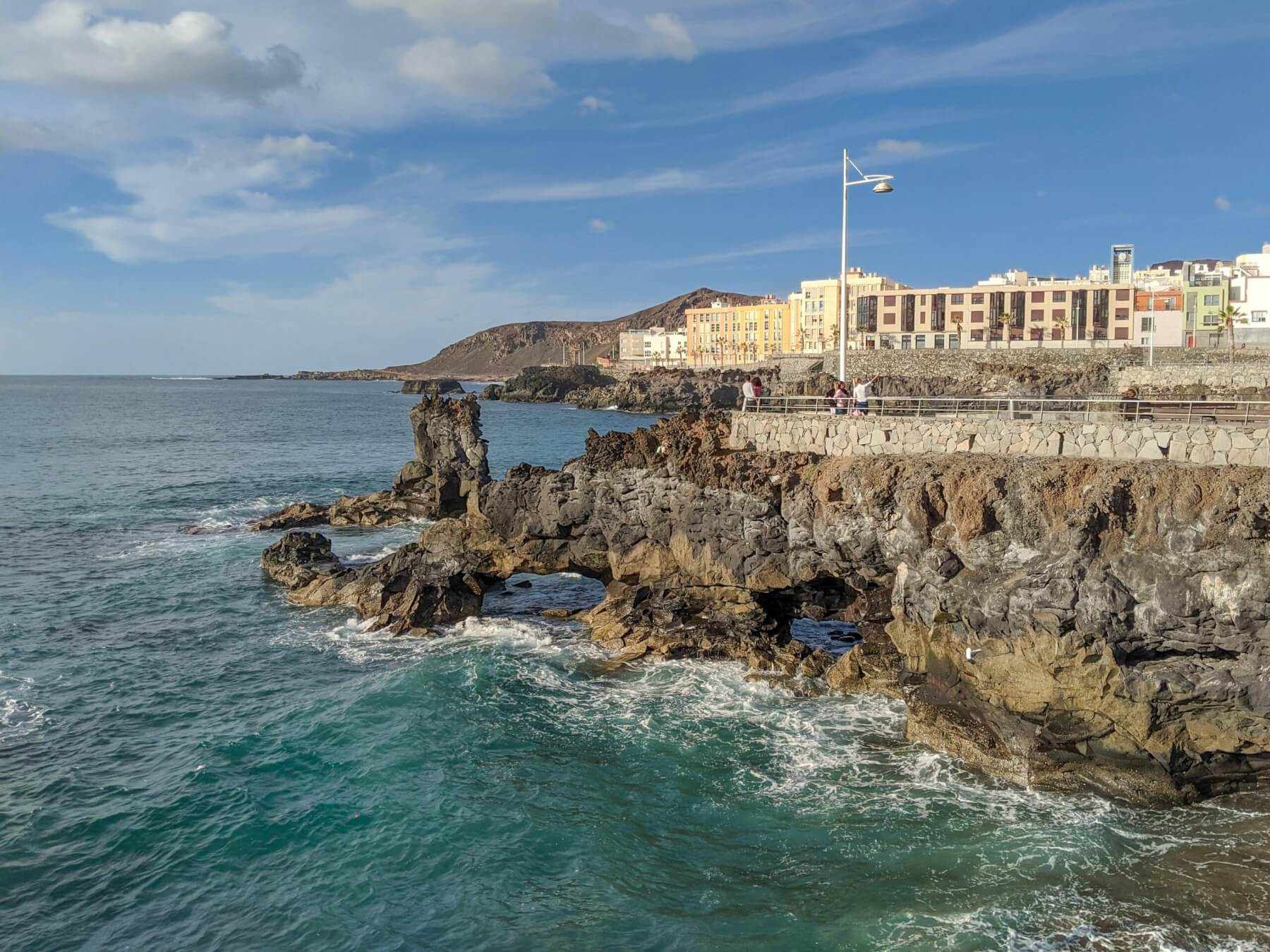
Rocky Coastline in Las Palma. Photo: Ronny Siegel, pexels.com