

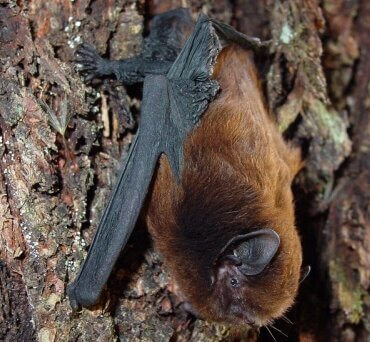
A female long-tailed pekapeka bat. Photo: Colin O’Donnell, Conservation Department.
A Waipā District Council plan change going operative on Monday will help the endangered long-tailed pekapeka native bat.
And it can’t come soon enough for Waikato Regional Airport boss Mark Morgan who said the ratepayer owned company can now plant and pest proof two blocks of land it owns to the north of the airport to attract pekapeka-tou-roa.
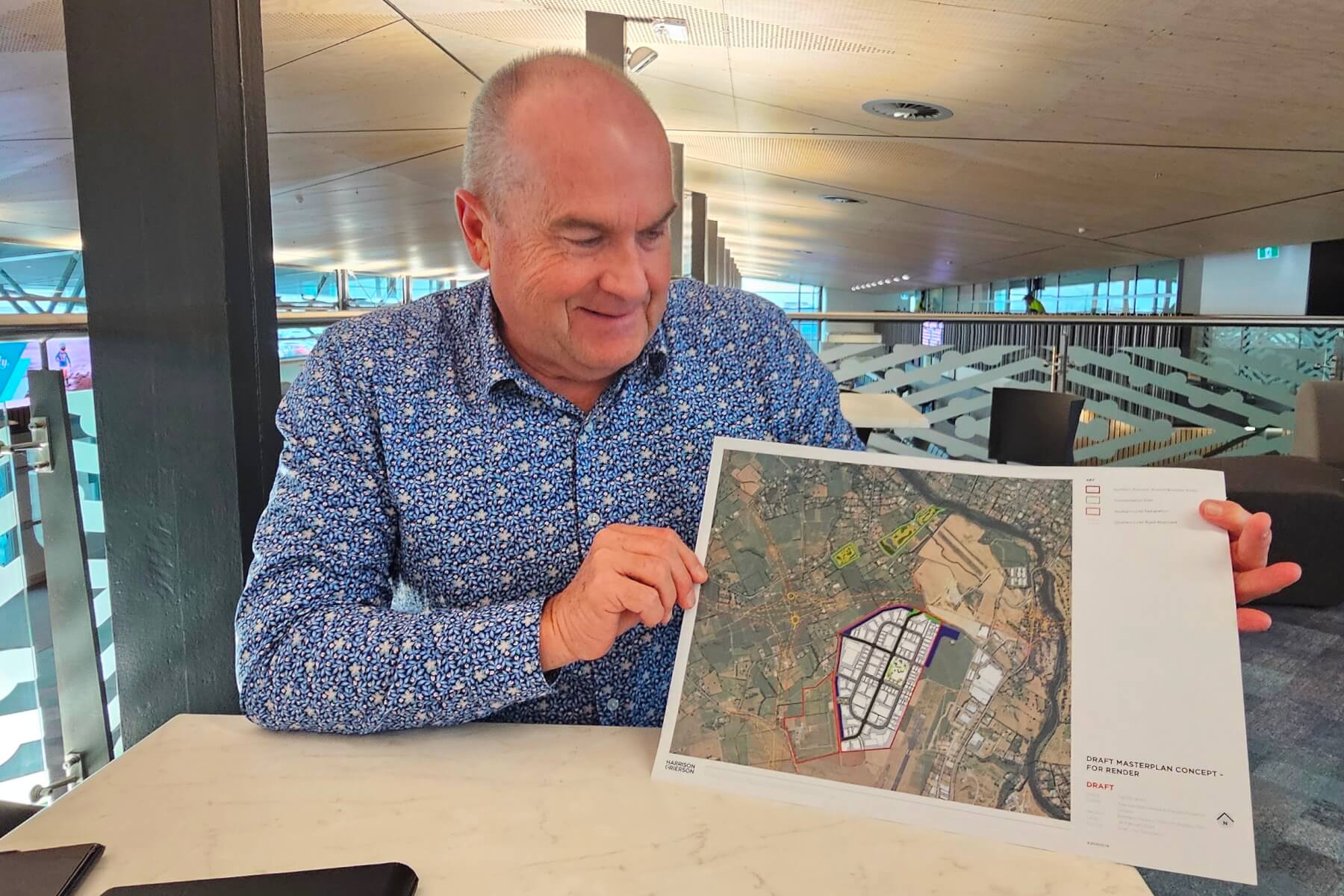
Mark Morgan points to the map which shows two blocks of land (marked in yellow) the airport company will develop to protect the pekapeka bat and the new Northern Precinct. Photo: Mary Anne Gill.
Work can also start on the Northern Precinct in what was formerly 89ha of rural land and is now an industrial block bigger than Ruakura.
The long tailed bat – listed as “Nationally Critical” and the short tailed bat – listed as Nationally Vulnerable to Recovering – are New Zealand’s only native land mammals.
“You can hardly signpost it for pekepeka, but we will develop these in a way that they’ll come. We’ll put a lake in, and we’ll do all sorts of stuff,” Morgan said pointing to a map showing the extent of the airport’s Northern Precinct development.
Waipā’s 20th change to its 2017 District Plan is ground-breaking for the area between Hamilton City Council’s 8100-house Peacocke suburb and the precinct.
The opening of the city’s newest bridge over the Waikato River into the suburb from Hamilton East later this year creates a transport route which will eventually feed into the Southern Links road network around the airport which Morgan says will unlock massive potential.
“Development will continue, it’s about the infrastructure lag now,” he said, a reference to Southern Links.
The 32km network – now on the government’s “roads of national significance” list – will start in Hamilton at Kahikatea Drive and finish at the Waikato Expressway in Tamahere.
It includes 21kms of state highways and 11kms of arterial roads, largely in Peacocke.
No starting date has been set.
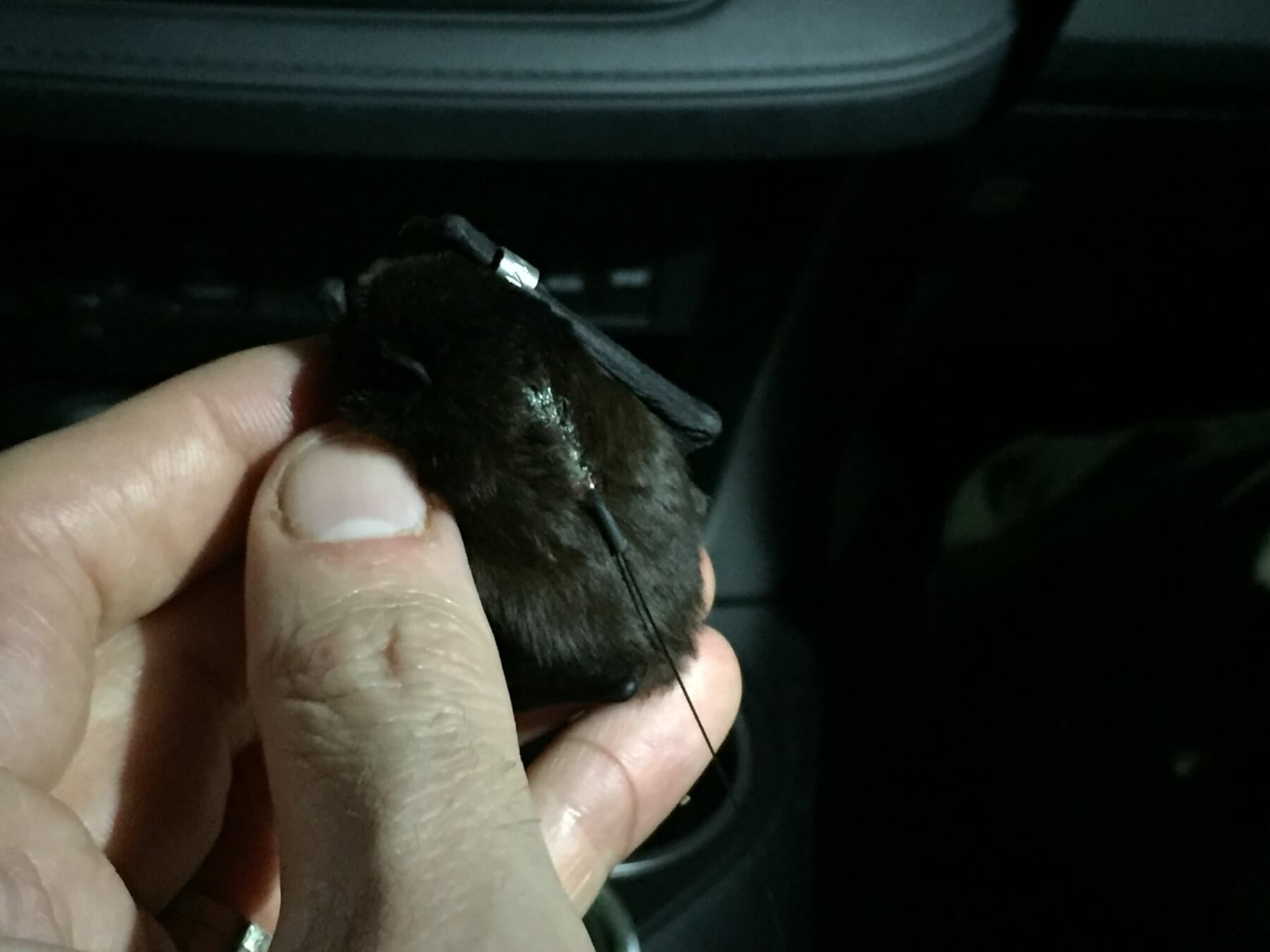
The bats are tiny, as this picture shows. Photo: NZ Transport Agency.
A new design build for the Northern Precinct has begun and should start in late 2026.
The airport company – owned by Hamilton City, Waipā, Matamata-Piako, Ōtorohanga and Waikato district councils – lodged the district plan change in September 2022.
Because Waipā was a shareholder, it declared a conflict of interest in processing the change but was able to make a first stage decision in support.
An independent planning firm took over and also granted the application, but Royal Forest and Bird Protection Society appealed the decision in the Environment Court saying the change would further threaten the pekapeka.

Hamilton Airport before its revamp.
The airport company and Forest and Bird thrashed out an agreement which requires Waikato Regional Airport to develop bat habitat areas within the Northern Precinct.
Work can begin on the 4ha and 11ha blocks of land off Raynes Road – the latter fronting the Waikato River – the airport company will develop and then transfer to a charitable trust.
Pekapeka have habitats throughout the Waikato but rapid development, which included the loss of roost trees, more street lighting and an increase in predators like rats, possums and domestic cats, put them perilously close to extinction.
Six years ago, as part of its Southern Links investigation work, New Zealand Transport Agency and Hamilton City Council found that the pekapeka had roosted in artificial bat houses – first established in Hamilton in 2011 as part of a Waikato University student’s masters study into promoting bats within the city.
The bats were more prevalent in the region than previously thought but still nationally critical – the highest threat category for a New Zealand species, the research found.
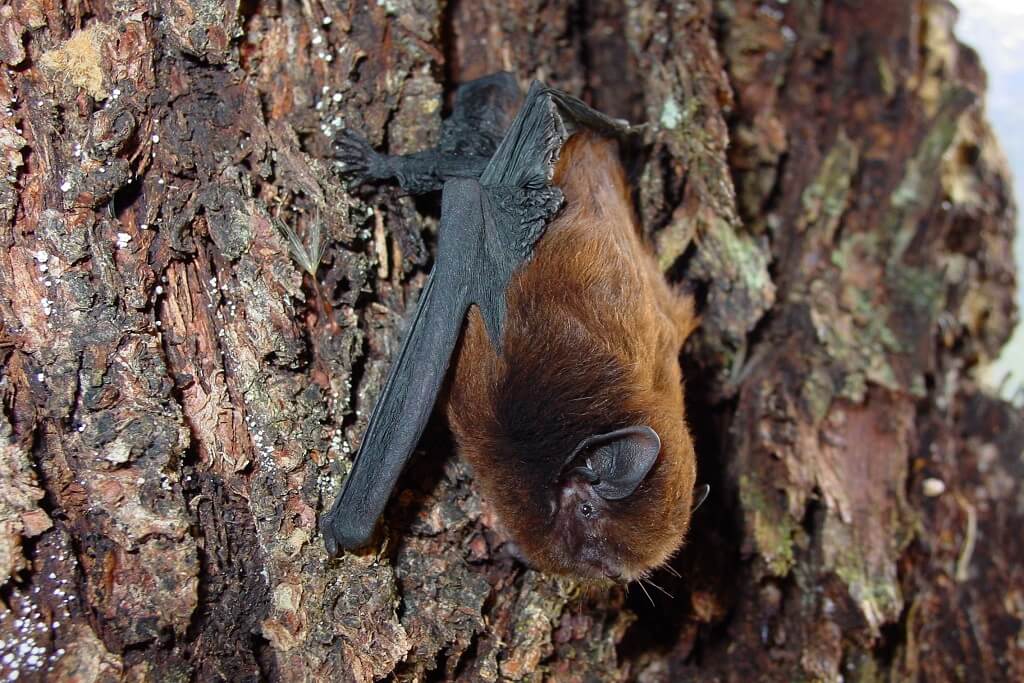
A female long-tailed pekapeka bat. Photo: Colin O’Donnell, Conservation Department.