


Caldera
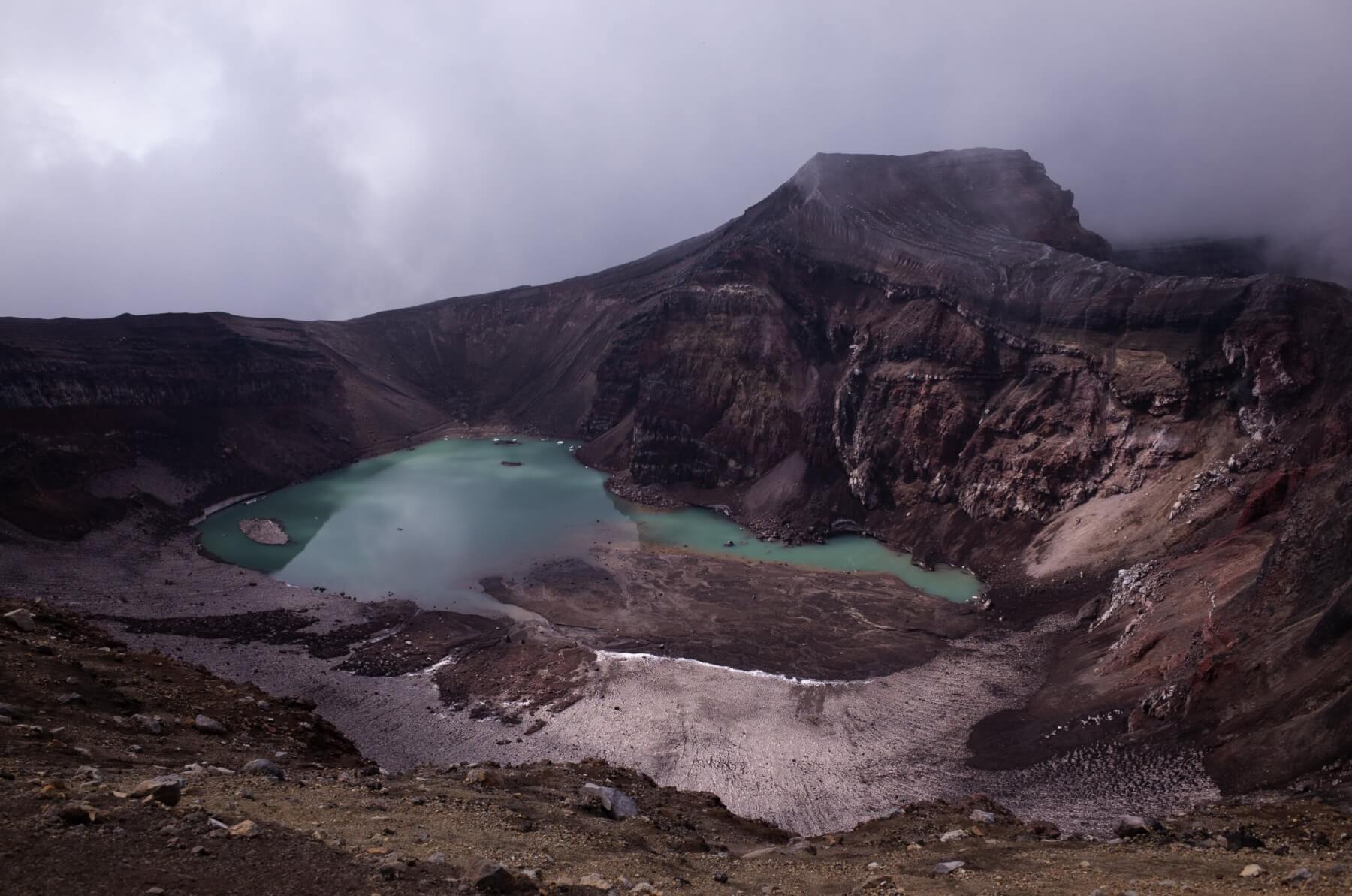
Photo by Marina Leonova: https://www.pexels.com/photo/lake-in-the-middle-of-mountains-8904793/

Janine Krippner
Writing about volcanism in Aotearoa/New Zealand, the term “caldera” pops up frequently. We have a lot of them. For those who have vaguely heard of them, images of “supervolcanoes” and extinction-level eruptions tend to come to mind.
I like to remind people that if these eruptions really were extinction events, we would not be here to have these conversations, would we? Yes, they would be awful, there is no doubt about that. But extinction? We have already proved that wrong by still existing. Living in the Unted States I saw a lot of concern and straight up fear about the Yellowstone caldera system, most of it based on innocent misunderstanding like this, as well as more aggressive misinformation shared online.
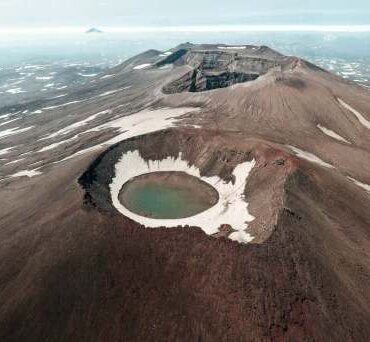
Calderas are essentially large depressions or basins in the landscape different to volcanic craters; they can be hard to spot being so large and/or filled with material. Craters form when eruptions excavate material from a vent, and erupted material accumulates around that vent. A caldera is usually much larger, sometimes exceeding tens of kilometres across, and forms by subsidence (the land moves downwards) when enough magma is erupted, or sometimes when it moves laterally below the surface creating space for the surface to collapse into. They are often formed during large explosive eruptions, but also form during slower more effusive eruptions. We saw this scenario play out at Kīlauea in 2018.
Calderas are part of volcanic systems that produce a wide range of eruption styles and sizes, those really big eruptions that capture our attention are relatively rare. If we look at the larger Taupō Volcanic Zone, we have several caldera systems including the Taupō system itself, Rotorua (the lake and city are within a caldera), Okataina (including Tarawera), Kapenga, Mangakino, and Maroa. Most of these have had several collapse events related to very large eruptions, with many more much smaller eruptions. We see some of the larger eruption deposits full of pumice around the Waikato. I wouldn’t want to see one of those eruptions in person and we aren’t likely to in our lifetimes, but I would never say it was impossible.
It is important to remember that these systems naturally have periods of unrest where the activity below the surface increases but does not lead to an eruption. They also don’t become “overdue”, volcanoes don’t work like that. They don’t just accumulate magma at a constant rate then go boom once a limit is reached. It’s far more complex and a lot of the magma never actually erupts.
That’s how we get so much granite around the world, granite is essentially a magma reservoir that cooled very slowly below the surface. However, these rare eruptions are extremely high impact so we do study everything we can about them to understand what exactly they would mean for us, what the much smaller and more likely eruptions would look like, how we could recover, what sort of warning signals we would get, and how destructive those warning signals could be.
Unrest includes earthquakes, ground deformation (rising or falling), changes in volcanic gases released at the surface, changes in heat flow, and changes in geothermal/hydrothermal systems.
We can measure all of these things and put them into the context of global volcano research to narrow down what the outcomes may be. It is critical to know what the normal level of this activity is so that we can spot when something else may be beginning, especially in a volcanically active country like this one.
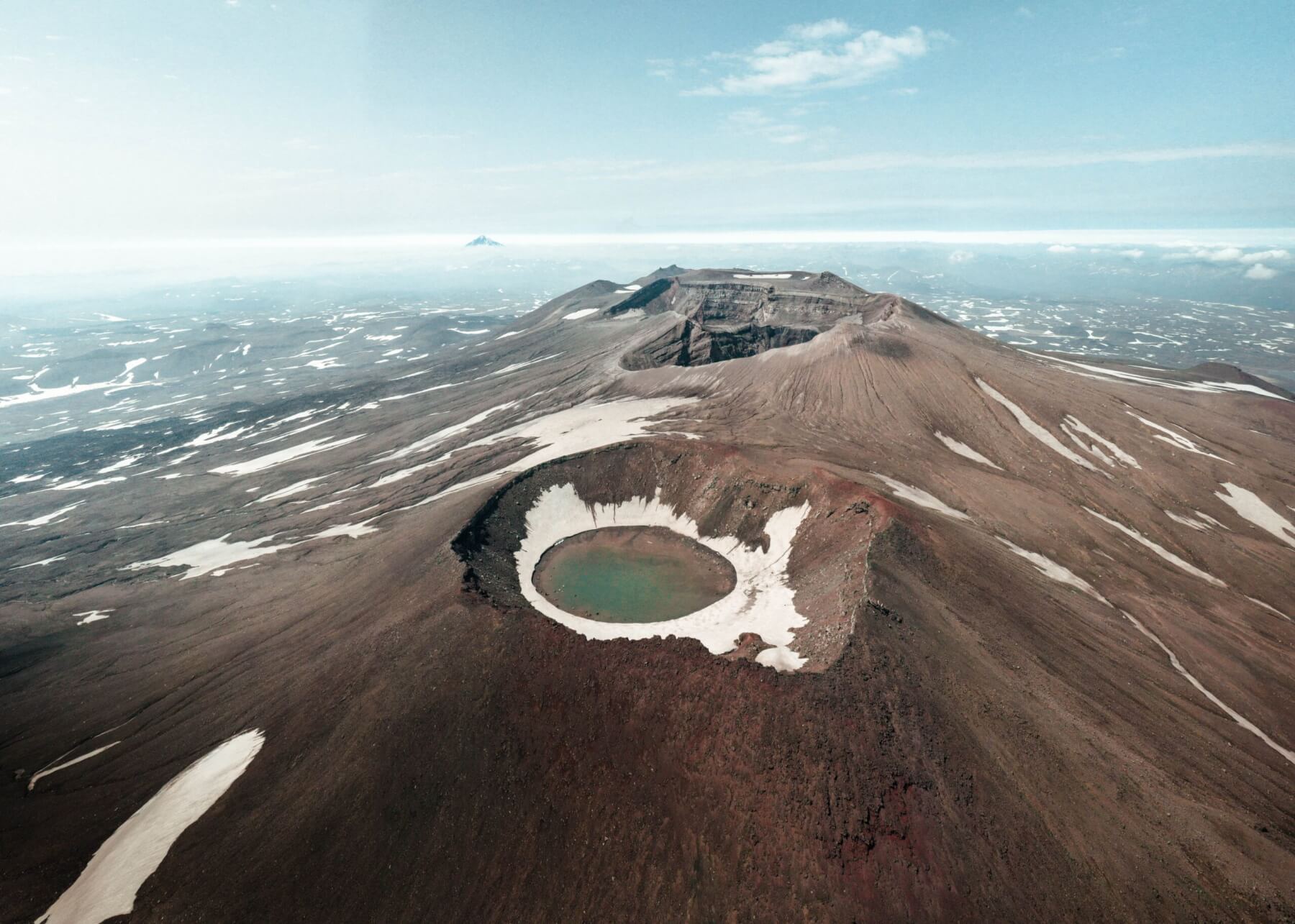
Photo by Oleg Mikhailenko: https://www.pexels.com/photo/gorely-volcano-with-water-on-crater-9496447/