

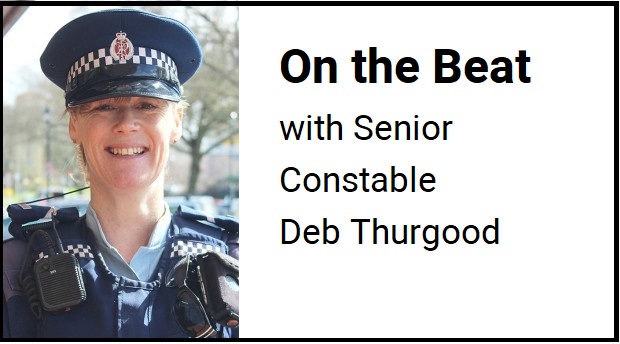
Deb Thurgood
School is back! This means there are again large numbers of children commuting on our roads. They are on foot, bikes and scooters and there is an increase in vehicular traffic, especially around school drop off and pick up times. I’ll start with a reminder to look out for those younger members of our community. They are easily distracted and can sometimes behave impulsively and unpredictably around the road. Police enforce the lower speed limits around our schools to reduce the risk of harm, so remember to keep your speeds down and drive defensively.
In previous columns I have given some insight into the court process with which we work This week I wanted to highlight an alternative action option police sometimes use when holding offenders to account. In Waikato, we have an initiative called Police Supported Resolution. It is recognised that a person’s offending is frequently the end result of a combination of social and other factors.
This process aims to help people get their lives back on track and to get them out of a circular pattern of offending, whilst avoiding the traditional court process. At the same time, it holds them accountable for their actions and includes a component to ensure we do right by any victims of their crimes. The process is only for qualifying offences (predominantly less serious ones such as shoplifting, wilful damage or common assault – not family harm related). The offender must be over 18 years of age, admit to committing the crime and agree to engage in the programme. Only then might a referral to Police Supported Resolution be appropriate.
The process begins with the participant meeting with a panel that looks not only at the offence in question, but also what is going on in the person’s life (for examples issues such as finances, drug/alcohol dependencies, employment and housing). The assigned support agency then works with the participants to make a plan to address the problems they may be facing. The plan sets out actions they must complete and conditions they must follow. These can include getting support to quit drugs and alcohol, assistance with driver licence training, gaining employment or enrolling in a training course. They can be required to pay reparation to victims for costs incurred due to their offending. The onus is on the participant to complete the process, but it does provide wrap around support to assist and encourage them along the way.
Failure to uphold their end of the agreement, will result in the matter being referred back the Police Officer in Charge and prosecution through the courts in the usual way. This ensures an outcome either way for the victim. I have seen first-hand how this process can make a positive impact on an individual, create real change in their life and prevent repeat crime.
On that note, I will leave you to what I hope is a great week ahead. Take care out there, Deb.